Low-Angst Erotica: How to Spot Trauma Before You Buy
Wanting a possessive, filthy, high-heat book without an abuse backstory is an entirely coherent request, and it is one the market handles badly. The labels that would tell you — heat rating, trope tags, category — describe what happens sexually and say nothing about the emotional weather.
So you have to inspect. What follows is a procedure that takes about four minutes per title and catches most of it before you spend anything.
First, separate the two things you might be avoiding
They get conflated constantly and they need different checks.
Angst is relationship pain. The separation, the misunderstanding, the third-act rupture, the grovel. It is structural — it belongs to the arc — and it is what people mean by a book that “put them through it”.
Trauma content is subject matter. Abuse, assault, grief, addiction, violence, coercion. It can appear in an otherwise light book as backstory, and it can be almost absent from a book that is wall-to-wall angst.
Most people asking for low angst want low on both, but not always. If you specifically want the possessive register without the darkness — the very common ask — you are looking for high intensity, low angst, no trauma content, which is a real combination and a narrow one. Knowing which of the two you are screening for makes the rest of this much faster.
Check 1: read the blurb for tell-words
Blurbs are written to sell, but the conventions are stable enough to read reliably. Certain phrases are doing specific work.
| Blurb phrase | What it usually signals | Risk |
|---|---|---|
| “running from her past” | Trauma backstory, usually with on-page flashbacks | High |
| “he doesn’t do relationships” with a stated reason | Wounded-hero arc; the reason will be dramatised | Medium-high |
| “she never thought she’d feel this again” | Prior loss or grief thread | High |
| “will destroy her” / “break her” | Degradation or dark register | High |
| “morally grey” / “he’s not the hero” | Dark romance shelving | Very high |
| “the one who got away” | Second-chance structure, unresolved history | Medium-high |
| “he’ll stop at nothing to have her” | Coercion or captivity register | High |
| “safe”, “no cheating”, “HEA guaranteed” | The author is deliberately signalling low angst | Low |
| “fake dating”, “grumpy/sunshine”, “snowed in” | Comedic or situational conflict only | Low |
| “standalone, no cliffhanger” | Arc resolves inside the book | Low |
Two structural tells matter as much as any phrase. If the blurb sets up a question the book will spend its length answering — will she forgive him, can they survive this — the answer is angst. If the blurb sets up a situation rather than a question, the conflict is likely to be situational and light.
And if the blurb never states what the obstacle is, assume it is the heavy kind. Authors omit it when naming it would put readers off, not when it is a snowstorm.
Check 2: search the reviews rather than reading them
Reading reviews top to bottom is slow and the top ones are the least informative. Search the review text instead.
Terms that surface trauma and angst: cried, sobbed, tissues, gutted, wrecked, heavy, dark, trigger, third act, devastated. One person crying means nothing. Six people using the same word means the book does that thing on purpose.
Terms that confirm the opposite: low angst, no drama, safe, comfort read, easy, just spicy. “Low angst” is established community vocabulary and readers use it precisely — if it appears in several reviews, believe it.
Then sort to the critical reviews and read those specifically. One-and two-star reviews are the single best source of content information anywhere in this process, because disappointed readers describe exactly what was in the book, in detail, with no interest in protecting the sale. A reviewer complaining that the heroine spends half the book in flashbacks has told you more than the blurb ever will.
Check 3: use the trope tags as correlations, not guarantees
Tropes do not determine emotional weight, but the correlations are strong enough to sort by.
Reliably lighter: workplace and boss dynamics, fake relationship, forced proximity, holiday settings, one-night-stand-to-more, and age-gap pairings where the gap is the only obstacle. Age gap in this catalogue and in most of the mainstream market means two consenting adults and nothing else, though the label attracts assumptions; it is not by itself an indicator of anything heavy.
Reliably heavier: second chance, secret baby, enemies-to-lovers where the enmity has a real grievance behind it, anything organised-crime adjacent, and captivity or obsession framings. The dark romance and erotica distinction is the clearest line here — dark romance is defined partly by content that this whole exercise is designed to avoid, so if a book is shelved there, the check is finished.
The awkward one is possessive alpha. It spans the entire range: some of it is pure intensity with no darkness attached, and some of it is a euphemism for coercion. The trope tag alone will not tell you which, and the possessive alpha explainer covers where the line usually falls. Screen these on the blurb and reviews rather than the label.
One structural correlation is worth more than any of these: length. Sustained angst needs runway. A four-hundred-page novel has room to separate the leads for a hundred pages; a twenty-minute short story does not, and a multi-story collection cannot build a long emotional arc at all because it keeps starting over. If low angst is the priority, short-form is structurally on your side, and the short collections roundup is a reasonable place to start.
Check 4: play the sample from the wrong place
The audiobook sample is almost always the opening, which is the most polished and least representative part of the book. Use it, but do not stop there.
What the opening does tell you is register. A prologue set in a different timeline is a trauma flag roughly as often as not — that structure exists to plant a wound. An opening on a funeral, a hospital, a courtroom or a police station is self-explanatory. And a narrator whose delivery is heavy and slow from the first line has been directed that way for a reason.
For everything else, switch medium. The ebook preview on most retailers lets you scroll rather than listen, which means you can skim past the opening into the first chapters, and searching inside the text for words like died, funeral, attack, hospital, therapy or nightmare takes seconds. Nothing in the audio product will give you that, and there is no rule that says you have to evaluate an audiobook by listening to it.
Check 5: read the packaging conventions
Cover design in this genre is close to a formal signalling system and it is worth learning.
Dark backgrounds with red or white type, a single object — a mask, a blade, a crown, a rose — and a one-word title in wide-spaced capitals: dark romance, near-universally. Illustrated or cartoon covers with bright flat colour: light contemporary romance, sometimes with less heat than the blurb implies. Photographic torsos, warm tones, soft focus: mainstream contemporary steam, mid-range on angst. Series numbering with an ambiguous ending in the reviews: cliffhanger risk, which is its own form of angst even when the content is otherwise light.
Titles carry information too. Possessive constructions — his something, the something’s something — are usually intensity signalling rather than darkness. Verbs of damage in the title are not.
Check 6: look for the author’s own signalling
Authors who write low-angst books say so, because it is a selling point to a large audience. Look for a content note, an author’s note, or a line at the top of the blurb. Increasingly common phrasings are explicit about it: no cheating, no third-act breakup, safe, closed-door or open-door.
The presence of a trigger warning list is not a bad sign in itself — it means the author is telling you the truth. Read it and decide. The absence of one in a book whose reviews mention heavy content is the more useful signal, and it is a reason to be cautious about the rest of that author’s catalogue.
When the checks disagree
Weight them in this order: critical reviews, then blurb structure, then trope, then cover, then sample. Reviews describing content beat marketing describing mood every time, because the marketing is trying to be appealing to the widest possible reader and the reviews are not trying to be anything.
If two checks say heavy and one says light, it is heavy. The light signal is usually the blurb, and the blurb is the one document in this process with a commercial interest in your purchase.
There is one thing none of this catches: whether the tone will suit you. A book can be entirely free of trauma content and still feel emotionally exhausting because the writing is relentless, or contain a rough backstory and feel warm because it is handled lightly. That is a taste judgement and only listening will settle it — which is an argument for testing a new author with something short before committing to a long one.
Where to listen
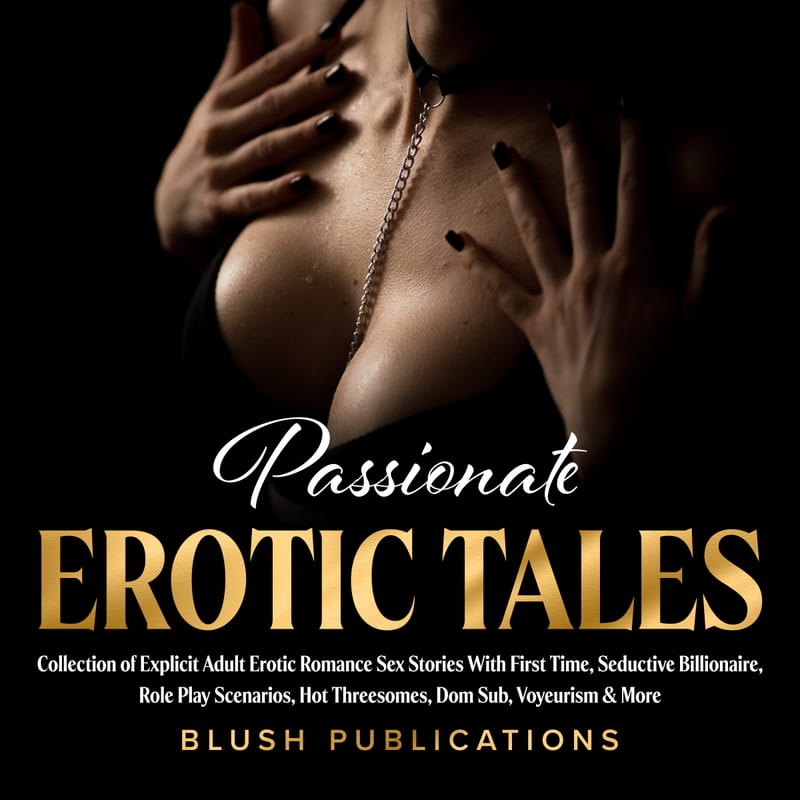
Ten-story collections are a structurally safe format for this, since no single story runs long enough to build a heavy arc and each one resets. Passionate Erotic Tales, narrated by Autumn Moon, is the warmest end of the catalogue and the closest thing here to a comfort listen with the heat left in.
If it is the possessive-and-in-charge register you want without the darkness attached, Billionaire Erotic Tales and Boss Erotic Tales both work that territory — Kenzie Bloom and Raquel Pierce respectively — with the intensity in the dynamic rather than in anyone’s backstory. All three are on Audible, Spotify and Amazon with free samples. The billionaire shelf has the rest, and the ranked billionaire list sorts through it if you would rather start from recommendations.
Frequently Asked Questions
What does “low angst” actually mean?
It is reader vocabulary for a book without sustained emotional distress — no long separation, no third-act breakup, no extended misunderstanding. It says nothing about heat level. A low-angst book can be extremely explicit; the term describes the emotional structure, not the content rating.
Is low angst the same as “safe” romance?
Related but not identical. “Safe” is usually a specific promise about no cheating and no other-woman or other-man drama, and often that the leads are exclusive from an early point. A book can be safe and still put its couple through a great deal. Look for both terms if you want both things.
Can a book be dark and low angst at the same time?
Occasionally, and it confuses people. Dark subject matter handled with a settled, confident couple can produce a book that is heavy in content and light in emotional turbulence. It is rare, and the reverse — light content, exhausting arc — is much more common.
How reliable are content warnings?
Reliable when present, and increasingly standard in this part of the market. The failure is inconsistency rather than dishonesty: some authors list everything, some list only the most serious items, and there is no shared standard. Treat a detailed list as a good sign about the author generally.
Does short-form really avoid the problem?
Structurally, mostly yes. Angst requires time to develop and short stories do not have it, so a collection format tends toward situation and heat rather than emotional arc. It is not a guarantee — a short story can still open on a grief scene — but the odds shift a long way in your favour.
Books Mentioned
Passionate Erotic Tales
Unrestrained passion, explosive chemistry, and intense encounters in 10 explicit passionate erotica short stories.
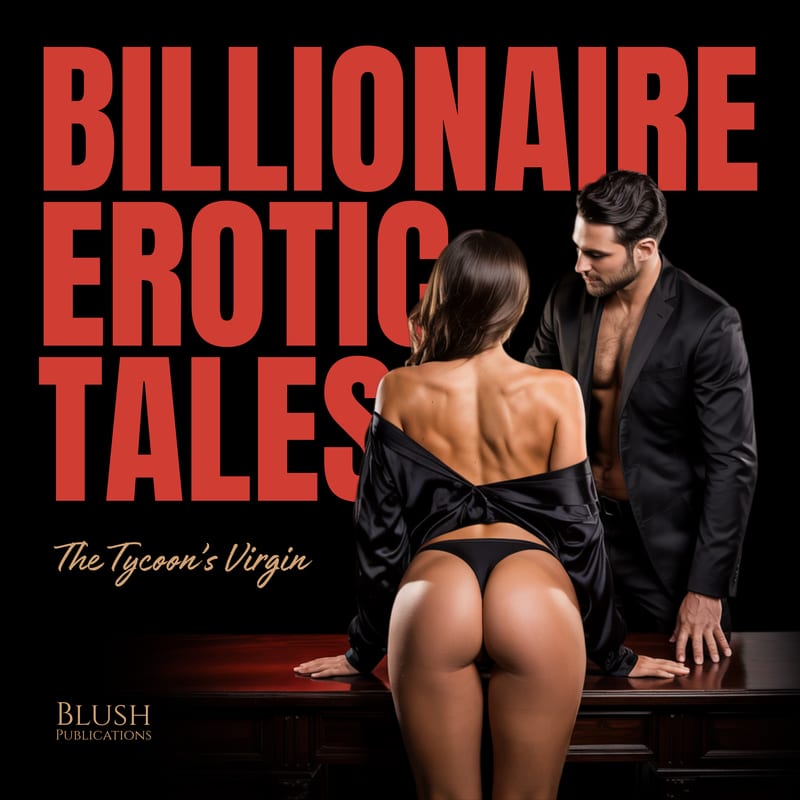
Billionaire Erotic Tales
Ruthless moguls, penthouse encounters, and obsessive possession in 10 explicit billionaire erotica short stories.
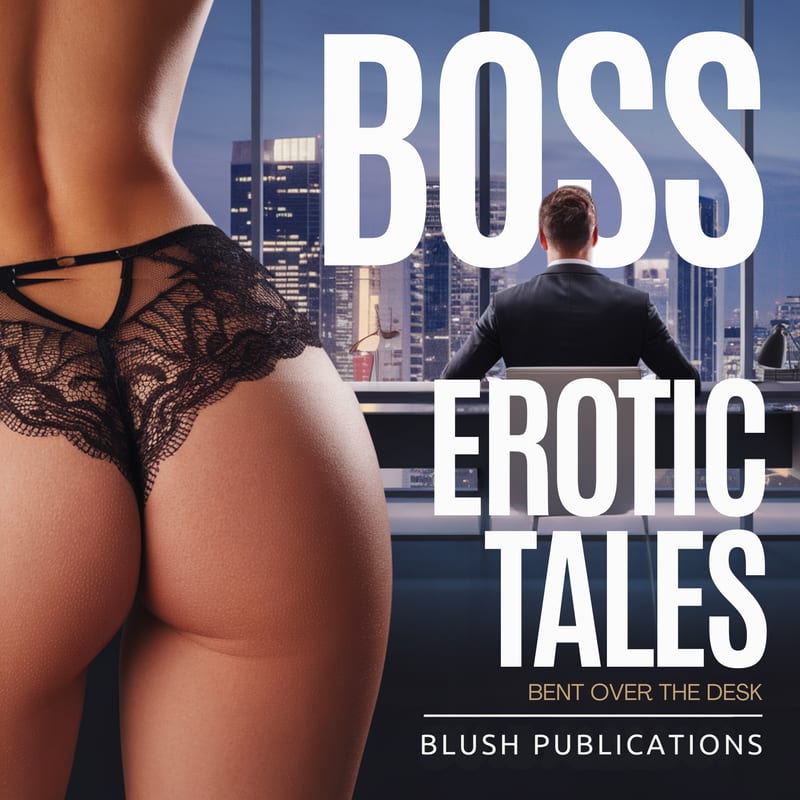
Boss Erotic Tales
Office power dynamics, closed-door encounters, and authority in 10 explicit boss erotica short stories.