What Is Romantasy? Fae Courts, Spice, and Smut
Romantasy is a portmanteau — romance plus fantasy — and it describes a book where the love story is the load-bearing plot rather than a subplot bolted onto a quest. The magic system, the war, the throne: all of it exists to put two people in each other’s way. If you removed the romance from a fantasy novel and it still worked, it was never romantasy. If removing it collapses the book, that is the shelf it belongs on.
The word went from niche shorthand to bookshop signage in about two years, and it now covers everything from closed-door court intrigue to material that is functionally erotica with wings. That range is the whole problem, and it is why so many people arrive at a search bar asking what the word actually promises.
Where the term came from
Romantasy was reader-coined, not publisher-coined. It circulated in reviews and on BookTok for years as a convenient tag before anyone official adopted it, and the adoption happened for a commercial reason: fantasy readers and romance readers were buying the same books and finding them shelved in two different rooms. A woman who loved a fae-court series was being sent to Epic Fantasy, past twelve doorstoppers about siege warfare, none of which she wanted.
Once the tag existed, the market reorganised around it fast. Bookshops built dedicated tables. Publishers started acquiring to the label rather than backing into it. Series that had been sold as YA fantasy years earlier were quietly repositioned as adult romantasy, sprayed edges and all.
The important consequence for a listener is that romantasy is a marketing category, not a heat rating. Nothing about the word tells you whether anyone takes their clothes off.
How spicy it actually gets
Readers have solved this themselves with the pepper scale, which is imprecise, unofficial, and genuinely useful. Roughly how it maps in this genre:
One pepper — closed door. Kissing, tension, a fade to black at the bedroom threshold. The yearning does all the work. A surprising amount of hugely popular romantasy sits here.
Two peppers — open door, brief. One or two scenes, described but not lingered on, positioned at emotional turning points. The book would still function without them.
Three peppers — open door, recurring. Multiple explicit scenes, written in real detail, and the physical relationship carries plot weight. This is where most of the famous fae-court series actually land, whatever their reputation suggests.
Four peppers — explicit and frequent. The sex is a primary reason the book exists, though there is still a world, a conflict, and a plot that resolves.
Five peppers — erotica in a fantasy setting. The setting is a stage. The fantasy elements exist to justify the encounters — bonded mates, heat cycles, magical bargains sealed by touch. Plot is present but it is not the point.
Most romantasy is a two or a three. Most people searching for “fairy porn” want a four or a five. That mismatch produces a lot of disappointed reviews.
Romantasy, fae erotica, and fairy porn are not synonyms
These three terms get used interchangeably online and they mean genuinely different things.
Romantasy is the broad category. Any fantasy setting, any heat level, romance-first structure. Dragons, courts, empires, academies.
Fae erotica narrows the setting and raises the floor on heat. The supernatural partner is fae — immortal, dangerous, bound by rules about names, bargains, and iron — and the content is explicit by default. The fae mythology is load-bearing: the danger of the bargain is part of the eroticism. Our guide to fae erotica goes into how those rules get used.
Fairy porn is internet slang, and it is mostly used two ways. Affectionately, by readers describing their own reading habits with a shrug. Dismissively, by people who have not read any of it. It rarely denotes a specific heat level — it is a tone of voice more than a genre. If someone recommends you “fairy porn,” ask what pepper number they mean.
You can see the split in how people search. Someone typing “romantasy” is usually looking for a series to fall into for a month. Someone typing “fairy porn” is usually looking for something considerably more direct.
What the fae court actually does for the story
The recurring furniture of this genre — courts, seasons, bargains, mating bonds — is not decoration. Each piece solves a storytelling problem that contemporary romance has to work much harder at.
A court manufactures obstacles that are political rather than personal. The lovers are not kept apart by a misunderstanding; they are kept apart by a treaty. That removes the most tiresome romance failure mode, where the entire conflict would evaporate if two adults had one honest conversation.
A bargain makes consent explicit and negotiated, then makes it thrilling. Fae cannot lie and cannot break a deal, so the terms have to be stated aloud. A genre that gets accused of hand-waving consent has, in its most popular sub-setting, built an entire mythology around saying exactly what you want in advance.
A mating bond supplies certainty that ordinary romance has to earn over three hundred pages. It also creates its own tension: is this love or is this magic deciding for you? That question drives more romantasy plots than any villain. We unpack it further in what fated mates means.
Seasonal or elemental courts give you a fast, legible cast. Winter is cruel, spring is soft, and the reader knows who to fear within a page.
Finding the explicit end in audio
Audio is where the spice ambiguity gets easiest to resolve, because you can hear the answer before you buy. A narrator’s handling of a love scene tells you within thirty seconds whether the book is a two or a four — the pace slows, the volume drops, and either the language gets specific or it retreats into metaphor.
Some practical ways to aim at the hotter end:
- Sample the middle, not the opening. Publishers put the sample at chapter one, where nothing has happened yet. Use the search-inside or preview functions where available, or check reviews for the phrase “open door.”
- Read the one-star reviews. People who wanted a chaste epic fantasy will tell you loudly and precisely how explicit a book is. Their complaint is your buying signal.
- Look at length. A three-hour fae audiobook is not building an empire. It is short because it is concentrated, and concentrated usually means explicit.
- Trust the category, not the cover. Sprayed edges and a silhouette on the front tell you nothing. The store category and the publisher’s own content note tell you a great deal.
If you have decided you want the five-pepper end rather than the two, our fae audiobooks and fairy porn collection sit there by design — short, explicit, and narrated rather than implied. The dragon collection covers the scalier corner of the same shelf.
A short glossary, for the reviews you are about to read
- Open door / closed door — whether sex scenes are shown or skipped.
- Spice level — heat rating, usually one to five peppers, always subjective.
- Slow burn — the couple takes most of the book to get anywhere.
- HEA / HFN — happily ever after, or happy for now. Romance readers consider one of these mandatory.
- Third-act breakup — the obligatory late crisis. Some readers loathe it.
- Touch her and die — the possessive-protector mode, extremely common in fae and shifter romantasy.
- Court intrigue — political manoeuvring as the source of conflict.
Learn those seven and you can read any review on the internet and know, before you spend anything, exactly what kind of book you are being offered.
Books Mentioned
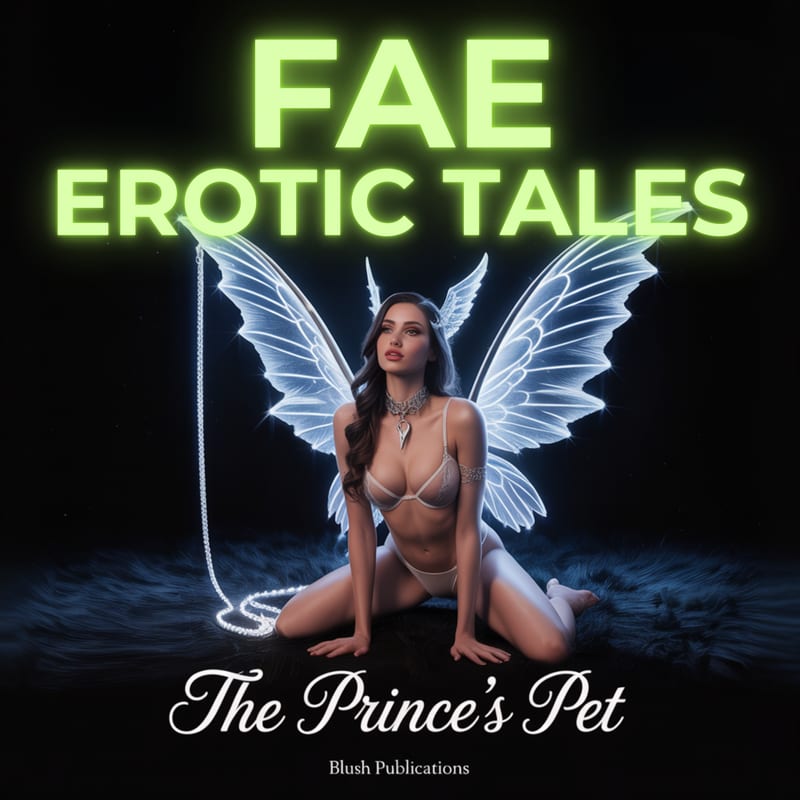
Fae Erotic Tales
Enchanted seduction, bargains sealed with a kiss, and otherworldly pleasure in 10 explicit fae erotica stories.
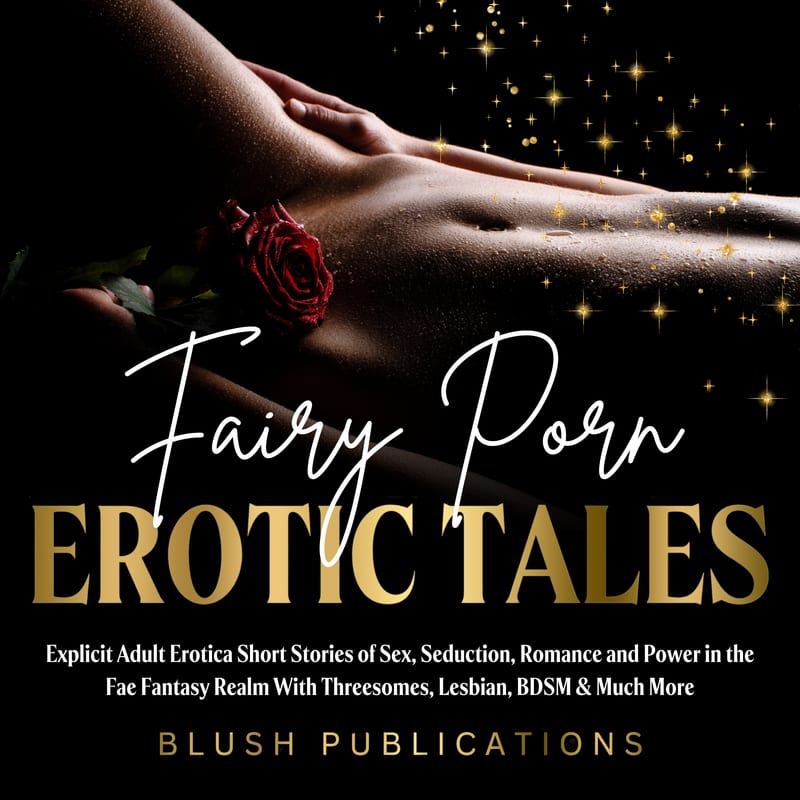
Fairy Porn Erotic Tales
Enchanted beings, otherworldly seduction, and magical encounters in 10 explicit fairy erotica short stories.
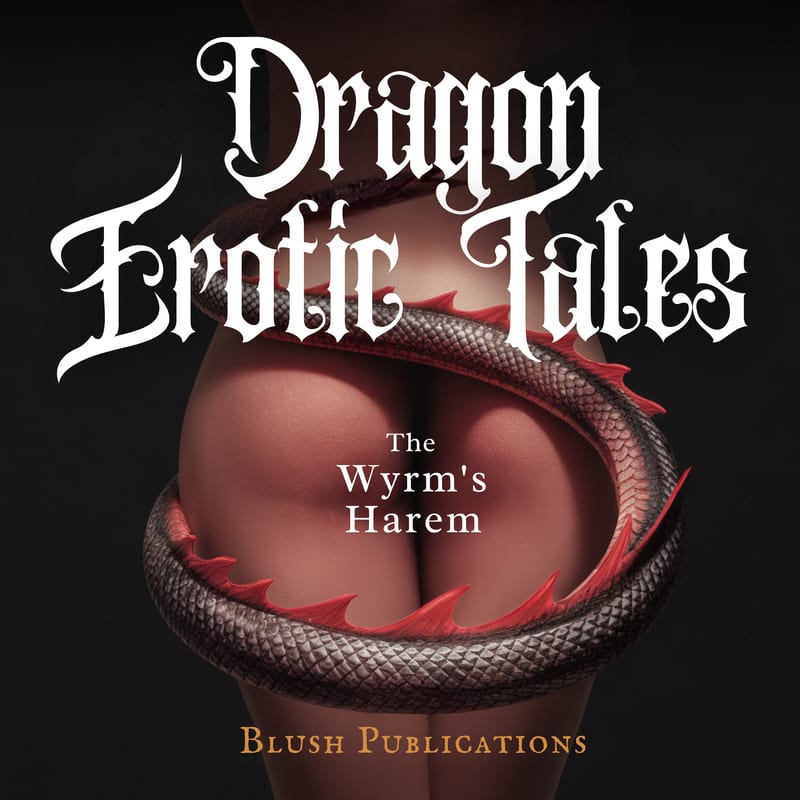
Dragon Erotic Tales
Dragon shifters, fiery encounters, and possessive claiming in 10 explicit dragon erotica short stories.