What Is Western Erotica? Cowboys, Ranches, Heat
Western erotica is explicit fiction set in ranch country — either the historical American West or its contemporary descendant, the working cattle ranch that still exists in Montana and Texas and the parts of Wyoming nobody visits. Cowboys, ranch hands, wide country, and a great deal of distance between one house and the next.
It is one of the oldest surviving romance settings and one of the few that has never really gone out of fashion. The reason is not nostalgia. It is that the setting does an unusual amount of structural work for a writer, and the work it does happens to be exactly what an explicit story needs.
What the setting actually does
Four things, and each solves a problem that contemporary urban erotica has to solve by contrivance.
Isolation without an excuse. The single hardest thing to arrange in modern erotica is two people alone with nothing to interrupt them. Phones, flatmates, neighbours, work. A ranch supplies isolation as a fact of geography: the nearest other person is forty minutes away and there is no reason for anyone to knock. Contemporary stories have to engineer a snowstorm to get the same effect — the entire forced proximity trope is a workaround for a problem the western simply does not have.
Physical labour, and therefore bodies. Ranch work is manual, and manual work justifies describing a body doing something. A story can spend a page on forearms and rope and sweat without it reading as gratuitous, because the character is genuinely working. This is a legitimate and slightly sneaky advantage. Office erotica cannot do it; nobody’s shoulders are interesting while they answer email.
Competence as attraction. The western hero is defined by things he can do — break a horse, read weather, set a bone, get a calf out alive at three in the morning. Competence is one of the most durable forms of attraction in fiction, and the setting delivers it constantly without anyone having to say a word about how capable he is. Showing beats telling, and a ranch is a machine for showing.
Weather as an antagonist. Something outside the relationship is always trying to ruin things: drought, blizzard, a bank, a fire. That gives the story external stakes without requiring a villain, which keeps the tension on the couple rather than on a plot.
Put those together and you have a setting that supplies privacy, physicality, attraction and stakes for free. Very few settings do all four.
Historical western versus contemporary cowboy
These get shelved together and read completely differently.
Historical western is set roughly between 1860 and 1900. Frontier towns, homesteads, cattle drives, saloons. The tropes that come with it are period-specific: mail-order brides, marriages of convenience, widows holding land alone, outlaws and the women who hide them. The heat tends to be shaped by constraint — everything is forbidden, nothing is private, and a great deal of the tension comes from what would happen if anyone found out.
Contemporary cowboy is set now. Pickup trucks, rodeo circuits, ranches under financial pressure, and heroes who are frequently ex-military as often as they are lifelong ranchers. The constraints are modern, so the tension shifts from social danger to emotional reticence — the recurring conflict is a man who does not talk, and a woman who requires him to.
Most people who say “western romance” mean historical. Most people who say “cowboy romance” mean contemporary. If you are shopping and you care which, that is the tell.
There is a third, smaller stream worth knowing about: weird west, which grafts the paranormal onto the frontier — shifters on the range, something wrong out past the treeline. It overlaps with werewolf and monster material and is much rarer in audio than in print.
The archetypes you will meet
The genre runs on a small, stable cast, and knowing them makes browsing much faster.
The taciturn rancher. Says four words a chapter. The entire arc is getting him to say a fifth. Extremely common and, done well, extremely effective, because the eventual verbal admission carries enormous weight.
The ranch hand. Younger, hired, and structurally beneath the family that owns the land — which makes him forbidden in a way that has nothing to do with morality and everything to do with class. This is where western erotica overlaps most cleanly with forbidden and boss-and-employee dynamics.
The woman who came back. Left for the city, returned for a funeral or a foreclosure, and finds the person she left. Carries built-in history, which shortcuts a great deal of setup.
The outsider. A city woman who arrives knowing nothing, which lets the book explain the setting to her and therefore to you. The most common structure for readers new to the genre, and the easiest entry point.
The rival ranch. Two families, one water source. Supplies enemies-to-lovers without any manufactured hostility.
Where it overlaps with other tropes
Western erotica is unusually good at hosting other tropes rather than competing with them.
It pairs naturally with age gap, because ranch hierarchies are built on experience. It pairs with possessive alpha material, though the western version is quieter — the cowboy archetype expresses possession through protectiveness rather than declaration, which some readers much prefer. It pairs with biker romance, which is essentially the same masculine archetype relocated from a horse to a motorcycle, and readers cross between the two constantly.
Where it does not pair well is with anything requiring a crowd. Group dynamics, club scenes, and city-anonymity tropes fight the setting rather than using it.
Why it works in narration
Two specific reasons, beyond the general case for audio.
The first is accent. A western setting gives a narrator something to actually perform. The drawl is a real technical challenge — done badly it becomes a cartoon, done well it is unhurried and low and does half the characterisation before the character has said anything of substance. This is one of the few genres where narration can add a dimension the page does not have at all.
The second is pace. The setting is slow by nature: long days, long distances, long silences. Narrators who instinctively fill silence struggle here; narrators who let a pause sit are perfect for it. If you are sampling, listen for whether the reader is comfortable with quiet. That single quality predicts almost everything about how the book will feel.
Where to listen
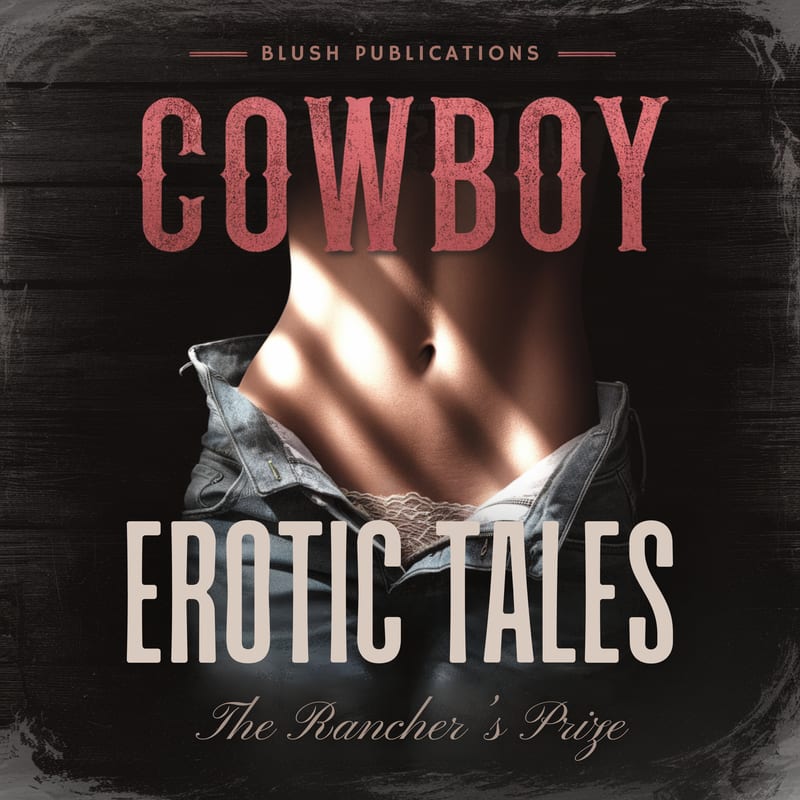
Cowboy Erotic Tales collects the contemporary end of this — ranch hands, working ranches, the taciturn archetype — in short-story form, which suits the setting well, since each story gets its own isolated patch of country rather than sharing one. The cowboy category has the rest of what we publish in this vein.
If what appeals is the masculine archetype rather than the landscape specifically, the alpha and biker collections are the nearest neighbours and readers move between all three regularly.
Every title carries a free audio sample. For this genre in particular, use it — a narrator who cannot hold the accent will not improve over three hours, and you will know within twenty seconds.
Frequently Asked Questions
What is the difference between western romance and western erotica?
Heat and focus. Western romance can fade to black and centres the relationship arc; western erotica is explicit throughout and centres the encounters. The setting and archetypes are shared.
Are western erotica stories historical or modern?
Both, and they read very differently. Historical is roughly 1860 to 1900 with period-specific constraints; contemporary cowboy is set now on working ranches and rodeo circuits.
Is cowboy romance the same as western romance?
In practice, “cowboy” tends to signal contemporary and “western” tends to signal historical, though the terms get used loosely. Check the blurb for trucks or horses.
Why is the setting so popular for erotica specifically?
Because it supplies isolation, physical labour, and demonstrated competence without the author having to arrange any of them. Those three things are what an explicit story needs and what a modern urban setting makes difficult.
What should I try if I like the archetype but not the ranch?
Biker erotica is the closest match — same reticent, capable, protective hero, different machinery. Alpha material covers the archetype without any specific setting attached.
Books Mentioned
Cowboy Erotic Tales
Rugged ranch hands, rodeo encounters, and primal possession in 10 explicit cowboy erotica short stories.
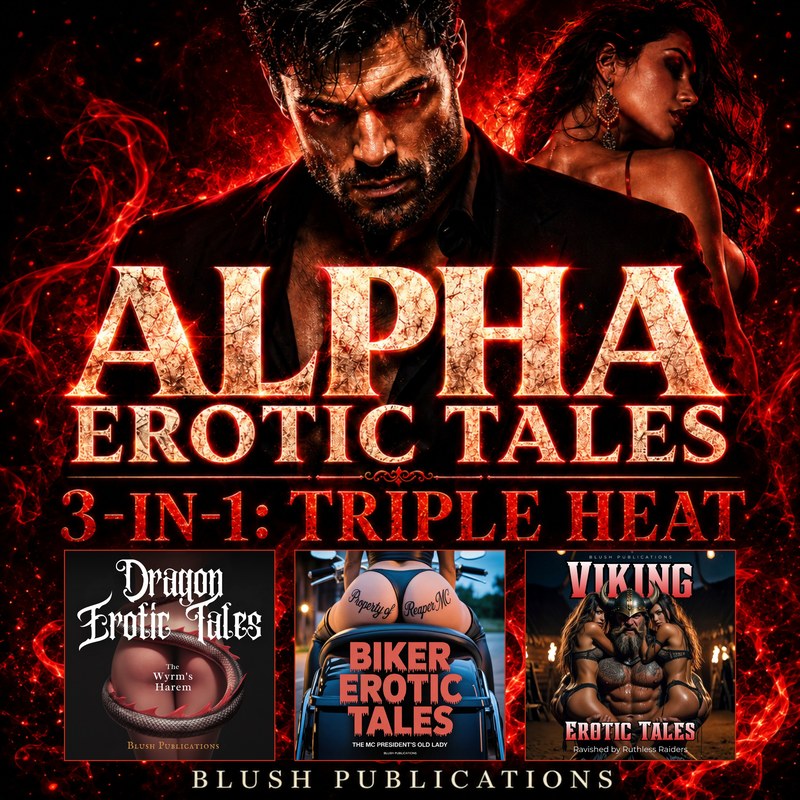
Alpha Erotic Tales
Triple heat. 30 explicit stories of dominant alpha males who take command and never ask twice.
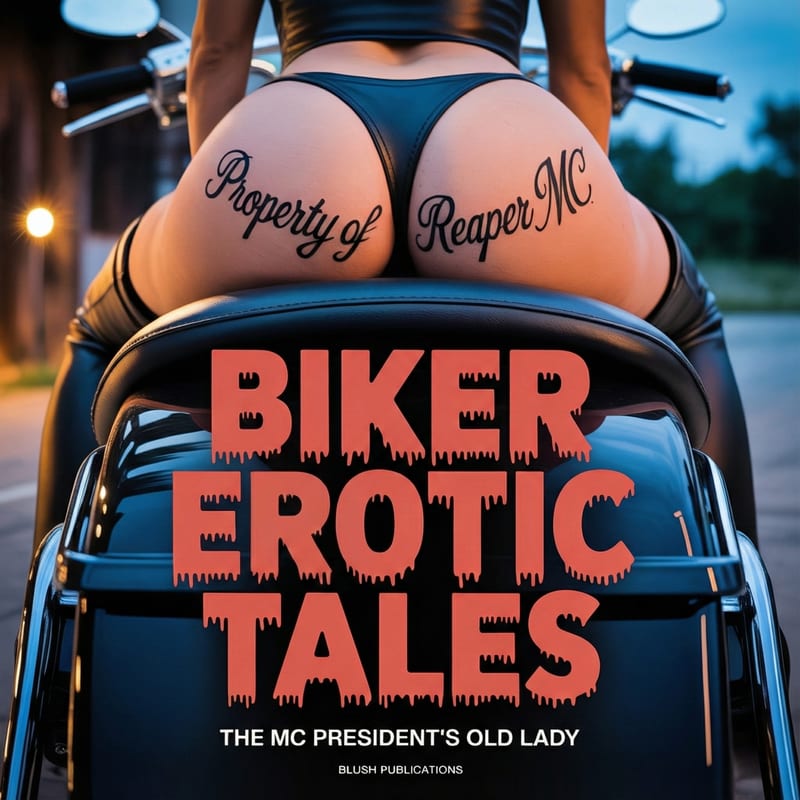
Biker Erotic Tales
Outlaw bikers, clubhouse encounters, and savage possession in 10 explicit biker MC erotica short stories.