Production Quality in Erotica Audio: What to Listen For
Most listeners can tell a good erotica production from a poor one within a minute and cannot say why. The reasons are mostly technical and mostly learnable, and knowing them makes sampling considerably more efficient.
Why erotica is mastered differently
Standard audiobook mastering targets consistency: even loudness, minimal dynamic range, no audible breath, no room tone. The goal is that a listener in a car at 70mph can hear every word without touching the volume.
Erotica is mastered against several of those goals deliberately.
Wider dynamic range. The quiet parts are meant to be quiet. Compressing them up to match the rest removes the intimacy the recording exists to produce.
Breath retained. As covered in how narrators perform sex scenes, breath is content in this genre rather than noise.
Closer microphone position. Deliberate proximity effect — the bass boost that occurs when a source is very near a directional microphone — which is what produces the sensation of a voice being close.
The consequence is a trade the genre accepts: erotica audiobooks are harder to listen to in noisy environments, and that is a design decision rather than a fault. Playback settings covers how to compensate.
The six defects worth returning over
Inconsistent room tone. The background sound changes between sentences or paragraphs, meaning sections were recorded in different conditions or spaces. Deeply fatiguing over hours, and the most common defect in low-budget productions.
Aggressive de-essing. Over-processed sibilance produces a lisp-like artefact on every S. Once noticed it is impossible to ignore, and it is particularly damaging in whisper-adjacent or close narration where consonants carry the content.
Clipping on peaks. Distortion on the loudest moments, which in erotica means the moments that matter. Usually indicates the recording level was set too hot and never corrected.
Audible edits. Words or breaths cut too tightly, producing small gaps or clicks. A sign of heavy correction, and it disrupts the illusion of continuous speech.
Plosive pops. Bursts of low-frequency energy on P and B sounds, caused by inadequate microphone technique or no pop filter. Close-mic erotica recording makes this far more likely than standard narration does.
Mouth noise. Clicks and smacks between words. Some is unavoidable at close proximity and a small amount is normal in this genre; a lot indicates the performer was under-hydrated and nobody re-recorded.
What good production actually sounds like
Four positive markers, all audible in a short sample:
Silence that is genuinely silent. Between phrases, you should hear a consistent, very low noise floor and nothing else — no hiss, no hum, no shifting.
Breath that sounds like breathing. Present, uneven, occurring in the middle of phrases. Not edited into rhythm.
Level that does not need adjusting. You should be able to set the volume in the first minute and not touch it again. If quiet passages become inaudible and loud ones startle you, the dynamic range was not managed — which is different from being deliberately wide.
A consistent sense of distance. The voice should stay the same distance from you throughout. Wandering proximity, where the performer moves relative to the microphone, is one of the subtler defects and one of the most disorienting.
Formats and files
Most retail audiobook delivery is compressed, and at typical bitrates the compression is not the limiting factor — the recording is. A well-recorded book at a modest bitrate sounds better than a poorly recorded one at a high bitrate, every time.
The one place format matters is very quiet content, where low-bitrate compression can produce audible artefacts in near-silence. If you listen mostly to close, quiet material, downloading at the highest available quality is worth doing. See erotic audiobook formats for the wider format picture.
Headphones versus speakers
This genre is more headphone-dependent than any other. Close-mic recording with wide dynamic range and retained breath is designed for a source near the ear, and played through a room speaker much of what the production is doing simply does not survive.
If a book sounds thin or flat, try it on headphones before concluding the production is poor. It is frequently the delivery rather than the recording.
Where to listen
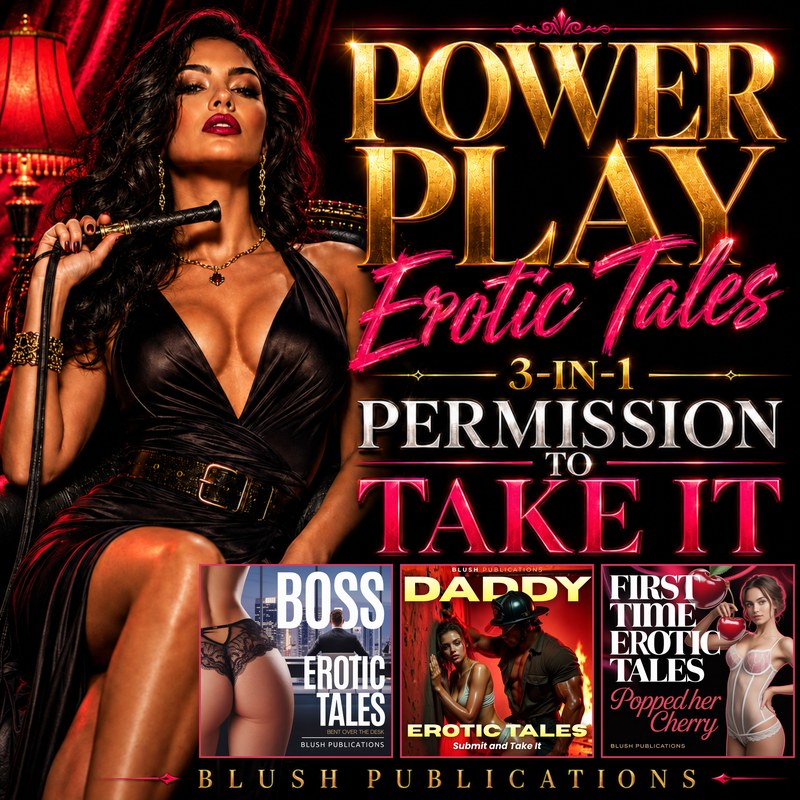
Free samples are on every book page and are the right place to test all of the above. Power Play Erotic Tales narrated by Raquel Pierce, Alien Erotic Tales narrated by Brittany Fletcher, and Vampire Erotic Tales narrated by Sara Sitwell span three registers and three recording styles.
See also judging an erotica sample and what makes erotic audio immersive.
Frequently Asked Questions
Why do erotica audiobooks have such quiet passages?
Because the dynamic range is deliberately wider than in standard audiobook mastering. Compressing quiet passages up to match the rest would remove the intimacy the recording exists to produce.
What is the most common production defect?
Inconsistent room tone — background sound that changes between sections because they were recorded in different conditions. It is fatiguing over hours even when listeners cannot identify the cause.
Does a higher bitrate sound better?
Rarely the limiting factor. A well-recorded book at a modest bitrate beats a poorly recorded one at a high bitrate. The exception is very quiet content, where low bitrates can produce artefacts in near-silence.
Should I use headphones?
For this genre, yes. Close-mic recording with retained breath and wide dynamic range is designed for a source near the ear, and much of it does not survive playback through a room speaker.
What is de-essing and why does it matter?
Processing that reduces harsh S sounds. Applied too aggressively it produces a lisp-like artefact on every sibilant, which is especially damaging in close or whisper-adjacent narration where consonants carry the content.
Books Mentioned
Power Play Erotic Tales
Permission to take it. 30 explicit stories of dominance, submission, and the games in between.
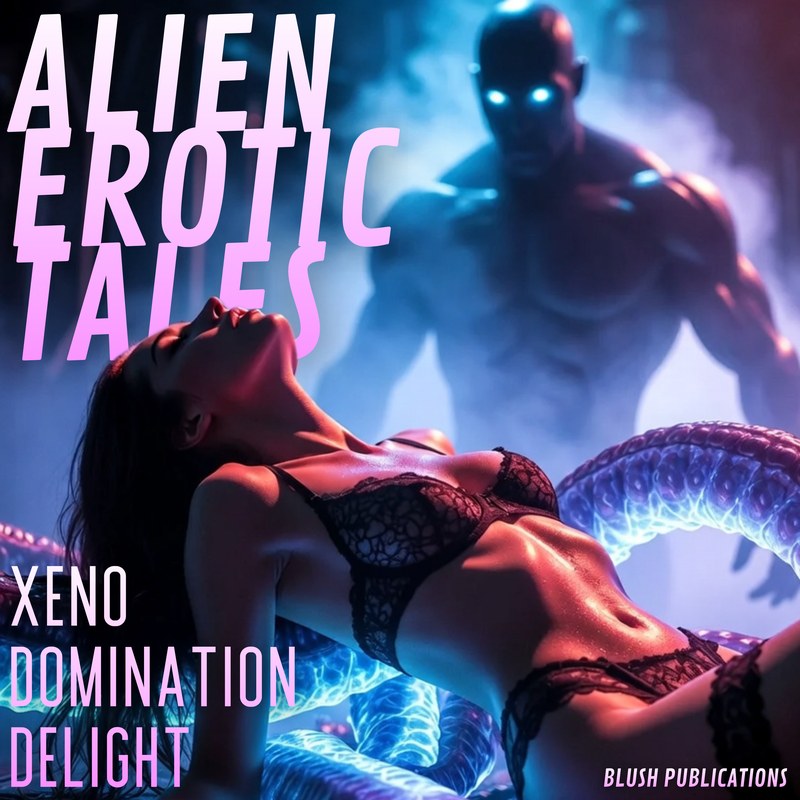
Alien Erotic Tales
Xeno domination delight. 10 explicit stories of alien masters and the humans they claim.
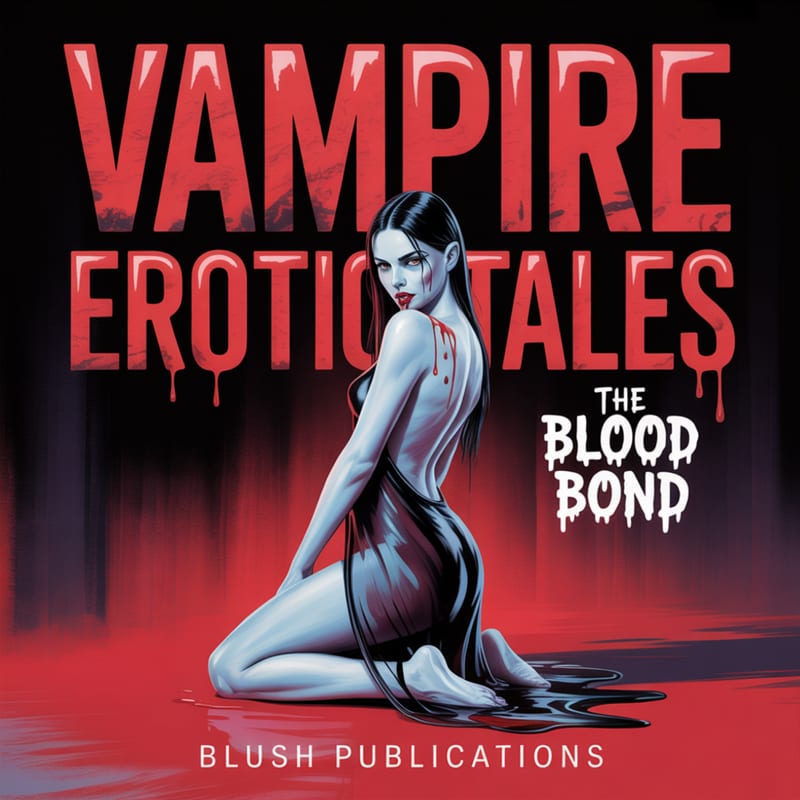
Vampire Erotic Tales
Blood bonds, immortal desire, and dark seduction in 10 explicit vampire erotica short stories.