Kink Audiobooks: How to Find One Specific Thing
Here is the structural problem. Retailers categorise audiobooks by genre — romance, erotica, paranormal — and occasionally by trope. They do not categorise by kink. There is no browse path for any specific element, no filter, no tag, and no plan to add one.
So a listener who wants one particular thing has to reverse-engineer it from data that was never organised for the purpose. This page is the method.
Step one: work out whether you want a trope or an element
These are different and they behave completely differently in search.
A trope is a relationship configuration — stepbrother, enemies to lovers, fated mates. Tropes are marketing terms. Publishers put them in blurbs, readers use them in reviews, and retailer search handles them reasonably well.
An element is something that happens — a specific act, dynamic or physical detail. Elements are almost never in blurbs, because naming them narrows the audience and can affect how a title is categorised.
If what you want is a trope, ordinary search works and you can stop reading here. If it is an element, everything below applies.
Step two: build the search string properly
Retailer search is a keyword match against title, subtitle, author, series and description. It is not semantic. It does not know synonyms. Three consequences:
Use the exact phrase the community uses, not the clinical one. Fiction is described by its readers, and readers use community vocabulary. The clinical term returns nothing because nobody writes blurbs that way.
Pair the element with a genre word. An element alone returns noise from unrelated categories. Element plus “erotica”, or element plus a trope, cuts the noise dramatically.
Try the misspellings. This sounds silly and it is genuinely effective — a substantial share of self-published metadata contains typos, and searching the common misspelling of a term surfaces titles that the correct spelling misses entirely.
A working pattern: <element> <trope> erotica, then <element> audiobook, then the element alone with the adult content filter off.
Step three: mine reviews, not blurbs
This is the highest-yield technique available and almost nobody does it systematically.
Reviews contain what blurbs omit. Readers write about specific content constantly — sometimes in praise, more often in complaint — and complaint reviews are the most precise text about a book’s contents that exists anywhere. A one-star review reading “I did not expect the entire second half to be [element]” is better metadata than the publisher will ever provide.
How to do it: use a site-restricted search engine query rather than the retailer’s own review search, which is usually poor. Search the retailer’s domain plus the element term. This surfaces review text across the whole catalogue, which is exactly what you want and exactly what the retailer will not give you.
What to search for: the element, plus “did not expect”, “warning”, “so much”, “too much”, and “content warning”. Those five phrases are where reviewers flag specifics.
Step four: use the four places the information actually lives
Retailers are the worst source. These four are better.
Reader review communities. The large book-cataloguing sites have user-created shelves and lists, and users tag far more granularly than any retailer. Someone has almost certainly made a list for what you want.
Author and publisher sites. Publishers describe their own books more frankly on their own sites than in retailer metadata, because they are not subject to the retailer’s categorisation rules there. This site does the same — every book page carries a full contents description and a free sample.
Recommendation threads. Forums and social platforms where people ask for exactly this. Search the element plus “recommendations” and you will find threads doing your work for you.
Content-warning databases. Reader-maintained lists that exist specifically to catalogue what is in a book. Built for people avoiding content, equally useful for people seeking it.
Step five: verify with the sample before spending
Audio has an advantage here that print does not: the free sample is a real excerpt of the actual performance.
The catch is that samples are pulled from the opening, which is the least representative part of any book. Two workarounds. If an ebook edition exists, its preview usually lets you jump further in — use that to check content, then buy the audio. And check the chapter or track list where one is published; in short-story collections the story titles are often quite explicit about what each contains.
What to do when the element genuinely is not findable
Some things are not tagged anywhere by anyone, and no amount of search technique fixes that. Two realistic responses.
Search by the trope it clusters with. Most elements co-occur reliably with a trope. Breeding content clusters with paranormal mate-bond fiction. Praise-based dynamics cluster with gentle femdom. Exhibitionism clusters with voyeur material. Find the cluster and read inside it.
Read short-story collections. A collection of ten stories covers far more ground than one novel, so the odds of hitting a specific element are considerably better per purchase. This is the practical argument for anthologies over novels when you are hunting for something narrow, and it is why so much kink-specific reading happens in short form.
A note on why the tagging does not exist
Not squeamishness — liability and scale.
A retailer that tags by kink is making a positive assertion about content, which invites disputes when the tag is wrong and creates a browsable index of material the platform would rather not promote. Genre tags are safe because they are vague. Element tags are specific, and specificity is exactly what a general-audience storefront is trying to avoid on this shelf.
Which means the gap is structural and permanent, and the workarounds above are not a stopgap. They are the method.
Where to listen
Short collections are the format this problem favours, and the catalog is built that way — ten stories per volume, each with its own scenario, and a full story list on every book page so you can see what is actually inside before buying.
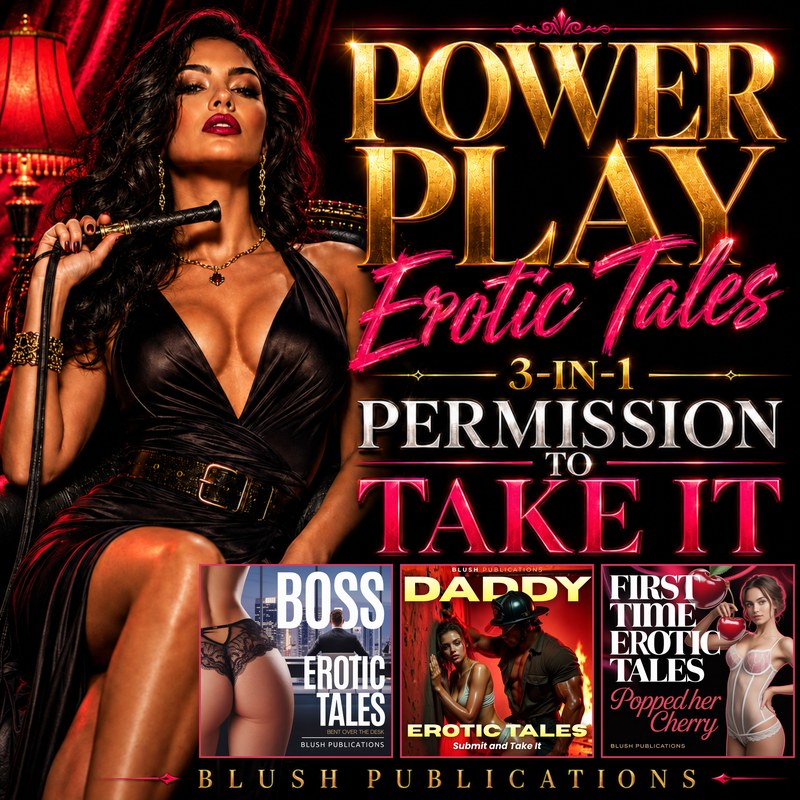
Power Play Erotic Tales, narrated by Raquel Pierce, covers negotiated imbalance across ten arrangements. Exhibitionist & Voyeur Erotic Tales, narrated by A. D. Moss, covers watching and being watched. Hotwife Erotic Tales covers the sharing dynamic.
The full catalog has story lists for every title, and how to find erotica on Audible covers the platform-specific search mechanics.
Frequently Asked Questions
Why can I not filter audiobooks by kink?
No retailer offers it. Genre tags are vague enough to be safe; element tags would be a positive assertion about content and would create a browsable index platforms prefer not to have. It is a structural gap, not an oversight.
What is the single most effective search technique?
Site-restricted review search. Query the retailer’s domain plus your element term in a search engine, which surfaces reader review text across the whole catalogue. Reviews describe content far more precisely than blurbs.
Does the free sample tell me what is in a book?
Only what is at the beginning, since samples are pulled from the opening. If an ebook edition exists, its preview usually allows jumping further in — check content there, then buy the audio.
Are short collections better for finding specific content?
Generally yes. Ten stories cover much more ground than one novel, so the odds per purchase are better, and published story lists give you visibility a novel’s blurb does not.
What is the difference between a trope and an element?
A trope is a relationship configuration and is a marketing term that appears in blurbs. An element is something that happens in the book and is almost never named in official metadata, which is why it needs a different search approach.
Books Mentioned
Power Play Erotic Tales
Permission to take it. 30 explicit stories of dominance, submission, and the games in between.
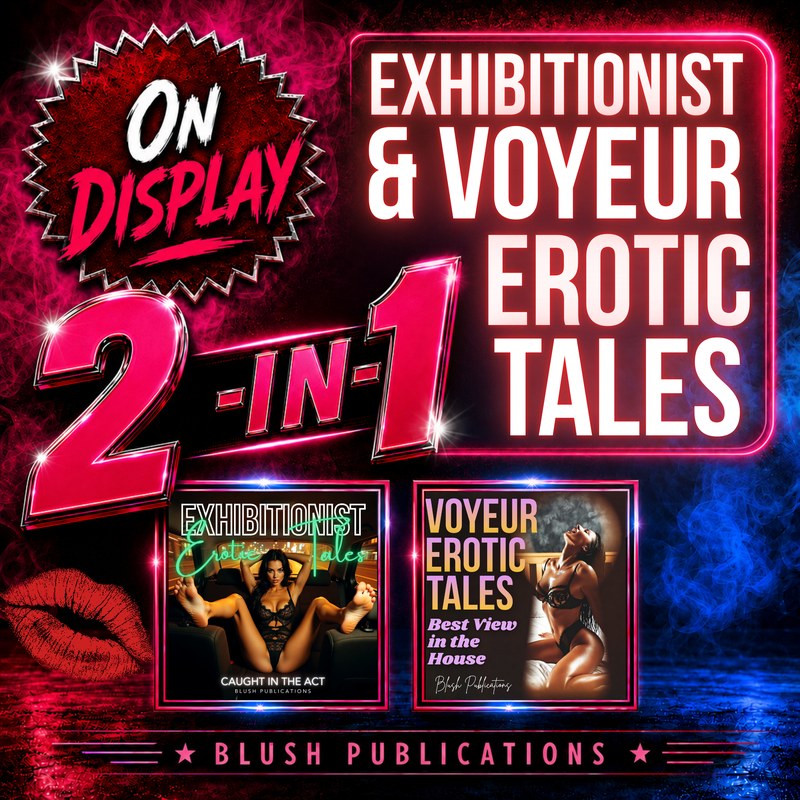
Exhibitionist & Voyeur Erotic Tales
On display and loving it — or watching from the shadows. 20 explicit exhibitionist and voyeur stories.
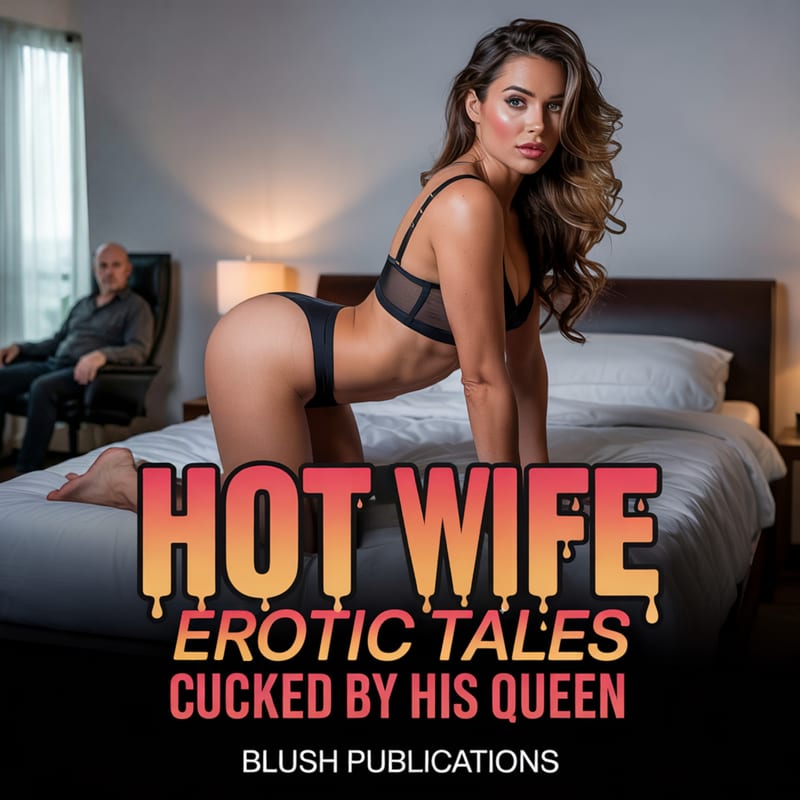
Hotwife Erotic Tales
Adventurous couples, shared encounters, and boundary-pushing desire in 10 explicit hotwife erotica stories.