Sci-Fi Erotica: What the Setting Is For
Nobody reads sci-fi erotica for the technology. The setting is there to do a job, and there are four jobs it does — each producing a recognisably different kind of book.
Knowing which one a book is running tells you more than any tag will.
Job one: legalising the premise
A future society has different rules, and the rules make something possible that would be prohibited now. Arranged pairings, contractual relationships, mandated pregnancies, licensed intimacy.
This is the setting’s most common use and the most efficient. Rather than constructing an elaborate contemporary justification, the author changes the law and moves on. Readers who find arranged marriage premises implausible in modern settings often find the same plot entirely convincing here.
Tell: the first chapter explains a rule.
Job two: enforcing isolation
A ship, a station, a colony, a long transit. Two people and no third party for months.
Pure forced proximity with an airlock instead of a snowstorm, and it is a considerably stronger version, because nobody can walk out into the weather. The isolation is total and time-bounded, which is exactly the structure the trope wants.
Tell: a stated duration in the blurb. Six months to the outer system. Two years in transit.
Job three: removing the physical excuse
Technology that eliminates the ordinary friction — no pregnancy risk unless chosen, no disease, no ageing, altered bodies, direct sensory connection.
This produces the most conceptually adventurous erotica in the genre, because the writer can ask what desire looks like when the practical constraints are gone. It also produces the most divisive, since a portion of readers find that the constraints were carrying more of the tension than they realised.
Tell: the blurb describes a technology rather than a person.
Job four: externalising a power dynamic
Artificial intelligence, engineered beings, indentured crew, class-stratified stations. The imbalance is written into the world rather than negotiated between characters.
This is the darkest use and the one that overlaps most with dark romance. The best books in this mode interrogate the imbalance rather than simply enjoying it, and the difference between those two approaches is usually visible in the first review.
Tell: one character’s legal status is mentioned.
The subgenres this produces
Alien romance is the largest by far and has effectively become its own market. It usually runs jobs one and two, and it has its own conventions — see alien erotica for the detail.
Space opera erotica runs job two with a large cast and long arcs. Series-heavy.
Cyberpunk and near-future run jobs three and four, tend to be shorter, and are the most likely to be genuinely strange.
Post-apocalyptic is technically adjacent but behaves more like forced proximity fiction with a scarcity layer, and readers rarely cross between it and the others.
Against fantasy erotica
The distinction most readers actually use is not technology versus magic. It is whether the rules are knowable.
Science fiction settings explain themselves. There is a mechanism, and the story expects you to understand it. Romantasy and fantasy erotica frequently do not explain, and the not-explaining is part of the atmosphere.
That is why readers who like one often bounce off the other despite the shelves looking similar from outside.
In audio
Sci-fi erotica has one problem no other subgenre has to this degree: exposition. Somebody has to explain the world, and explanation is the least erotic mode of speech there is.
Good narration handles it by refusing to slow down for it. World-building details delivered at conversational pace, as though the character finds them ordinary — because they do — keeps the register intact. Narrators who slow and emphasise the technical vocabulary turn every explanation into a lecture and kill the momentum.
Sample the first exposition passage rather than a sex scene. It is where the production either holds or does not.
Where to listen
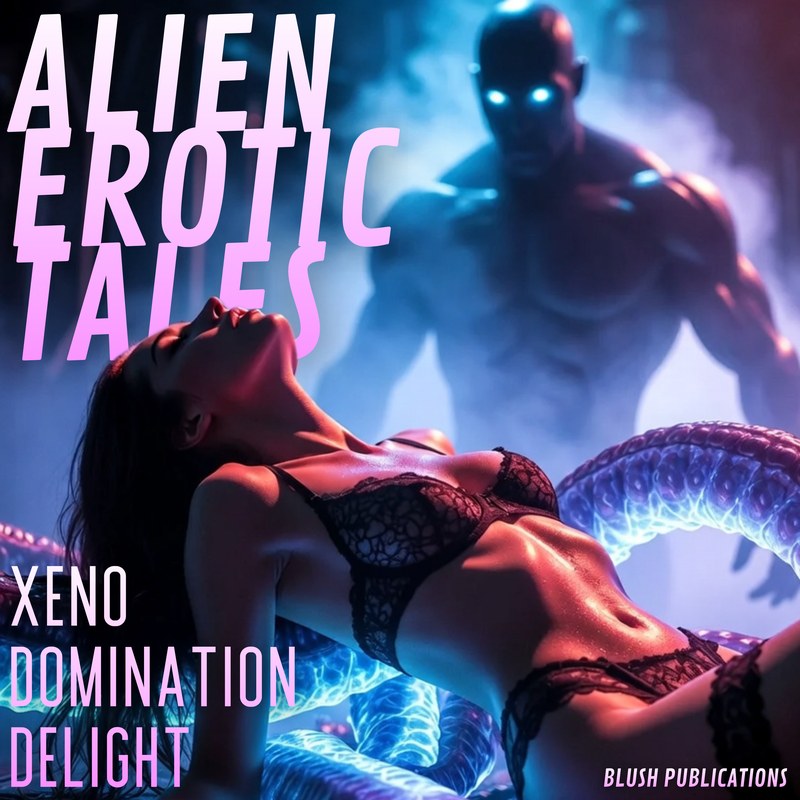
Alien Erotic Tales and Otherworldly Erotic Tales, both narrated by Brittany Fletcher, are the catalogue’s closest entries, running jobs one and two. Fantasy Erotic Tales, narrated by Devony Stewart, covers the adjacent shelf described above.
Categories: alien, otherworldly, fantasy, fantasy sex.
Frequently Asked Questions
Is sci-fi erotica the same as alien romance?
Alien romance is the largest subgenre inside it, not a synonym. Sci-fi erotica also covers cyberpunk, space opera and near-future settings with entirely human casts.
Do I need to follow the technology?
Almost never. Most of the shelf uses its setting to justify a premise and then leaves it alone, and the books that demand real technical attention are a small minority.
What separates it from fantasy erotica?
Whether the rules are explained. Science fiction settings expect you to understand the mechanism; fantasy settings frequently leave it unexplained, and that difference in texture is what most readers actually respond to.
Which job is most common?
Legalising the premise — changing the rules so something otherwise prohibited becomes ordinary. It is the most efficient use of a setting and dominates commercial publishing in the shelf.
What should I sample?
An exposition passage, not a sex scene. Whether the narrator can deliver world-building at conversational pace is the single biggest quality variable in the subgenre.
Books Mentioned
Alien Erotic Tales
Xeno domination delight. 10 explicit stories of alien masters and the humans they claim.

Otherworldly Erotic Tales
Claimed by fae and alien masters. 20 explicit stories of otherworldly domination.
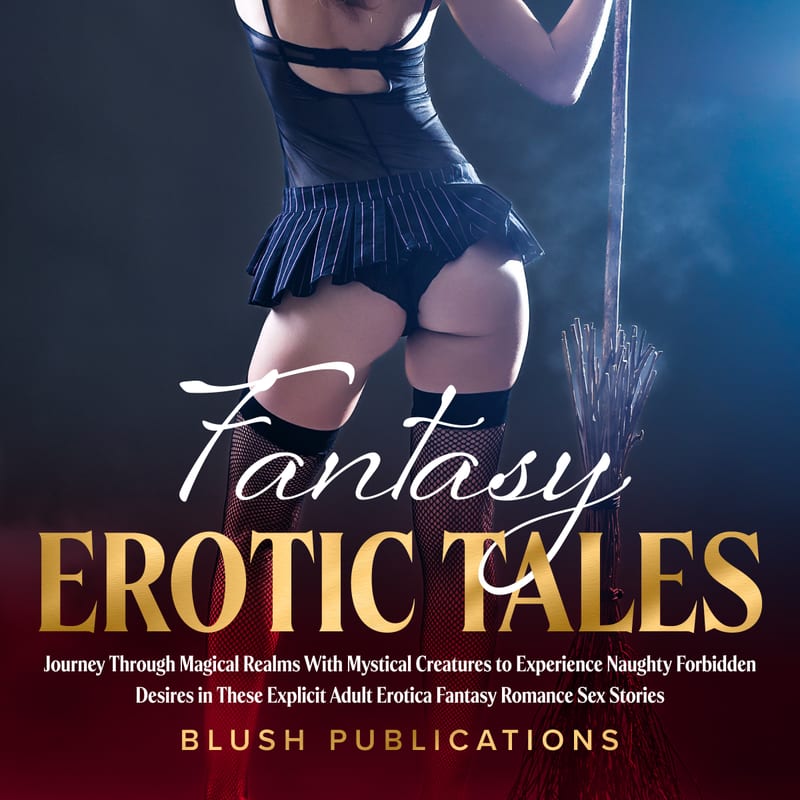
Fantasy Erotic Tales
Mythical creatures, enchanted realms, and supernatural desire in 10 explicit fantasy erotica short stories.