Stepbrother Erotica: Why It Owns the Taboo Shelf
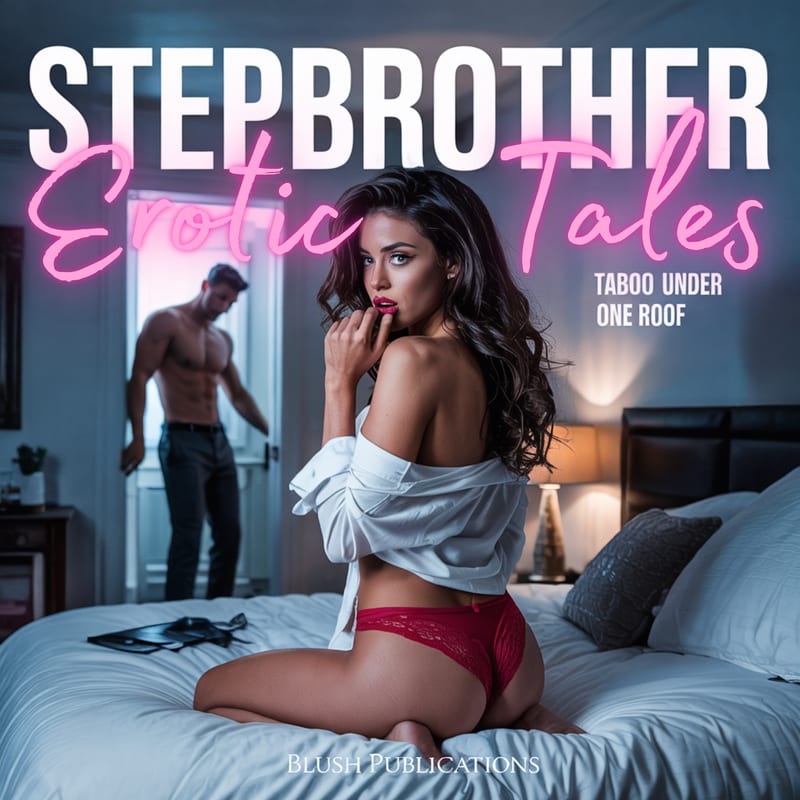
Stepbrother is the trope that built the modern taboo shelf. It arrived in ebook romance around 2014, colonised the bestseller lists so thoroughly that retailers had to invent filters for it, and it has never really left. But most explanations of its appeal stop at “it’s forbidden,” which explains nothing — plenty of forbidden setups sell modestly. Stepbrother sells enormously, and it does so on three specific mechanics.
Mechanic one: proximity without history
A stepbrother is inside the house — the bathroom queue, the thin wall, the kitchen at 2am — but he arrived there as a stranger. There is no shared childhood, no genetic relation, nothing but a marriage certificate between two other people. That combination is the engine: total access plus zero actual kinship. The story gets all the charge of “we absolutely should not” while the reader’s brain files it, correctly, under “two unrelated adults.”
This is why the trope collapses when writers add a shared childhood. The heat depends on the relationship being new, unchosen, and legally awkward rather than familial.
Mechanic two: deniability under one roof
Every scene has a built-in cover story. They were both getting a glass of water. The parents are downstairs. Someone could knock. Taboo stories run on the risk of discovery, and a shared house supplies that risk continuously without the plot having to manufacture it. Compare neighbour erotica, which needs a reason for the characters to keep meeting; stepbrother stories never do.
Audio intensifies this more than print. Whispered dialogue, a narrator dropping to half-volume because someone is in the hallway — the format performs the secrecy instead of describing it. It is one reason taboo material generally over-performs in audio.
Mechanic three: stakes that end the family
An affair risks a relationship. A stepbrother liaison risks the entire merged household — both parents’ marriage included. The stakes are collective, which is rare in erotica, and it gives even a short story a second layer of tension: not just “will they” but “what breaks if anyone finds out.”
Stepbrother vs stepsister vs stepfamily
The point-of-view changes the product more than the label suggests:
- Stepbrother stories are usually her POV: the reader watches him — cocky, off-limits, suddenly everywhere. The fantasy is being pursued inside your own safe space.
- Stepsister stories are usually his POV, and the tension inverts: restraint, guilt, the effort of not looking.
- Stepfamily collections treat the whole household as a web — stepmother, stepfather, in-laws — where the sibling pairing is one thread among several.
If you want the classic version, start with the her-POV material; the stepbrother shelf is built around it.
What separates good stepbrother erotica from cheap
Three checks, all audible in a sample:
- The parents exist. If the marrying couple never appears, the taboo is wallpaper and the story is a roommate romance wearing a label.
- The first scene is earned. Good versions spend real time on escalation — glances, near-misses, one interrupted moment — because the trope’s value is anticipation. Versions that skip to the act have thrown away the asset.
- The ending takes a position. Discovery, secrecy sustained, or the household dissolving: any is fine, but the story should know which world it ends in.
Where to start in this catalogue
Stepbrother Erotic Tales is the direct entry: a ten-story explicit collection narrated by Rachel Sanderson, whose measured, low delivery suits the under-one-roof register. Stepsister Erotic Tales flips the POV, and Stepfamily Erotic Tales widens to the whole household. All three sit on the taboo shelf, and the stepbrother category page keeps the related best-sellers in one place.
Frequently Asked Questions
Is stepbrother erotica about actual siblings?
No. The characters are unrelated adults connected only by their parents’ marriage, and the stories usually establish that the families merged in adulthood. The charge comes from the household, not from kinship.
Why is stepbrother more popular than stepsister erotica?
Point of view. Stepbrother stories are mostly written from her perspective for a mostly female readership, which matches how the wider romance market buys. Stepsister stories serve the mirror audience and sell steadily but smaller.
Is it legal and allowed on mainstream platforms?
Fiction between unrelated adults is legal, but platforms differ on distribution. Audible carries a large amount of it; some retailers filter the keyword. The taboo content rules guide covers where the lines sit.
What should I listen to first?
A short-story collection rather than a novel. Ten stories show you the trope’s range — pursuit, restraint, discovery — for one credit, and you learn which register you want before committing to a full-length book.
How does stepbrother differ from forbidden romance generally?
Forbidden romance is any pairing with an external barrier. Stepbrother is a specific machine: proximity without history, deniability under one roof, and stakes that threaten a whole family. The forbidden shelf holds the broader category.
Books Mentioned
Stepbrother Erotic Tales
Forbidden desire, thin walls, and secret encounters in 10 explicit stepbrother erotica short stories.
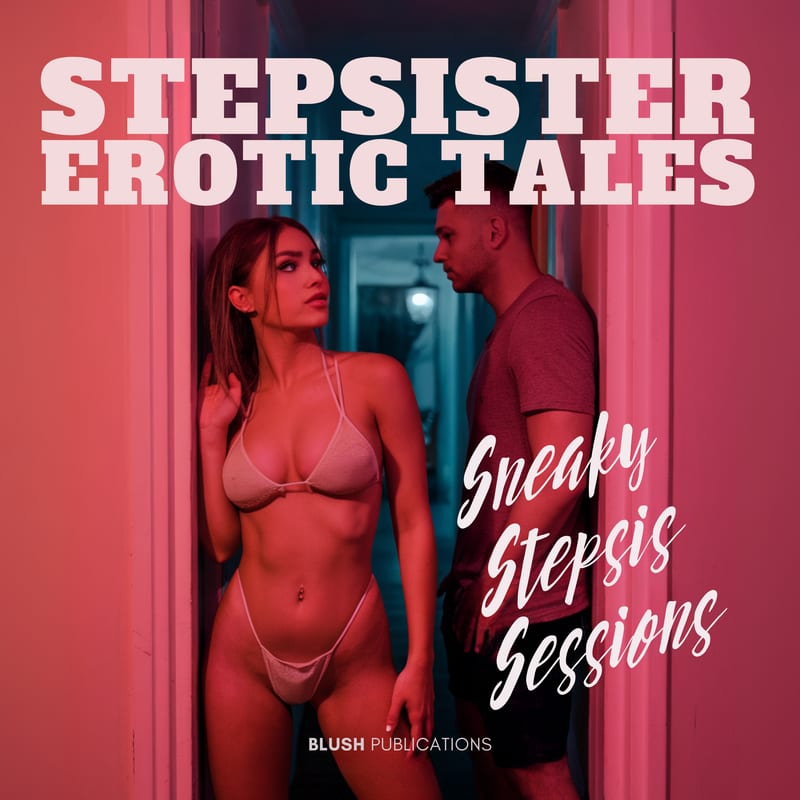
Stepsister Erotic Tales
Late-night temptation, thin walls, and sneaky encounters in 10 explicit stepsister erotica short stories.
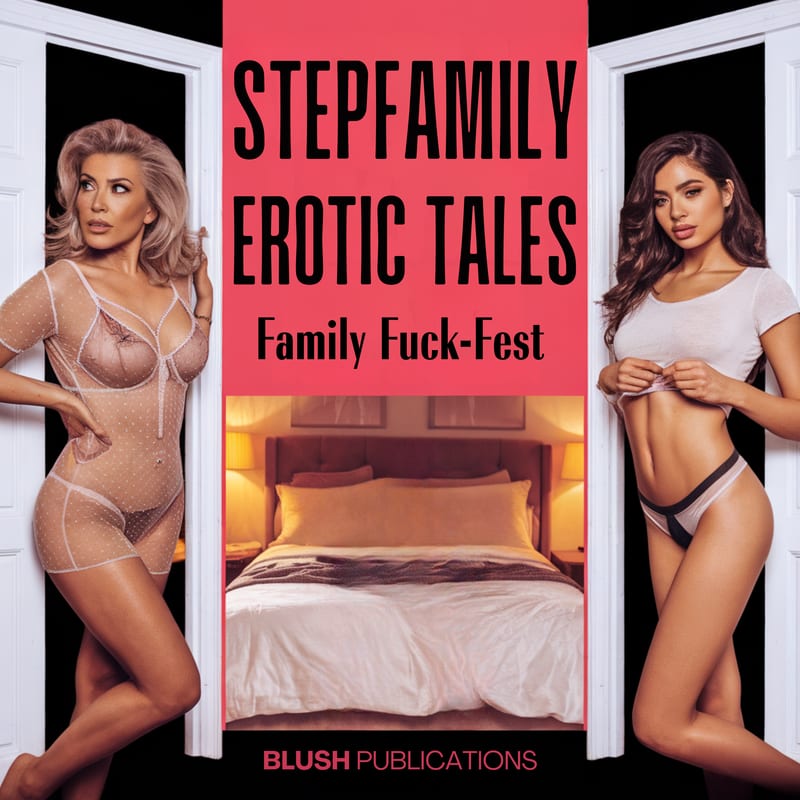
Stepfamily Erotic Tales
The whole forbidden household — multi-partner dynamics and escalating taboo encounters in 10 explicit stepfamily erotica stories.