What Audible Allows: Erotica Content Rules Explained
A note on what this page is. It describes observed platform behaviour and publicly stated content standards at a general level. It does not quote contract language, and these policies change — sometimes without announcement. Treat it as a working map, not as a legal reference, and check the platform’s own current content guidelines before making any decision that matters.
With that said: adult audio is not governed by a single yes-or-no rule. There are three tiers, and confusing them is why the whole area seems arbitrary from outside.
The three tiers
| Tier | Status | What it looks like to a listener |
|---|---|---|
| Carried | Accepted, sold, and discoverable | Appears in search and browse normally |
| Carried but restricted | Accepted and sold, excluded from discovery | Findable only by near-exact search, never recommended |
| Not accepted | Refused at submission | Does not exist on the platform |
Almost all explicit erotica sits in the middle tier. That single fact explains most of the confusion — the material is unambiguously permitted and almost entirely invisible, and listeners reasonably conclude from the invisibility that it is banned.
Tier one: carried and discoverable
Romance with explicit scenes, where the book is categorised as romance rather than erotica.
The distinction is genuinely about categorisation rather than content. A romance with several graphic scenes, filed under romance, is treated as a mainstream title and behaves normally in search and recommendations. The same content filed under erotica moves to tier two.
Publishers are aware of this and the incentive is obvious, which is one reason retailer categories are unreliable as a guide to heat. It is also why some genuinely explicit books appear in general recommendations while milder ones do not.
Tier two: carried, but restricted in discovery
This is where the erotica category lives, and the restrictions are consistent across the major platforms.
What happens to a title here:
- It is excluded from general browse and category listings shown by default.
- It does not appear in recommendation panels or “listeners also enjoyed” modules.
- It is omitted from bestseller and trending lists shown to signed-out users.
- It is filtered out of search results unless the account’s adult-content setting has been changed, and often unless the query is close to the exact title.
- It generally cannot be promoted through the platform’s own advertising or editorial placements.
What does not happen: the title is not removed, not restricted in playback, and not marked in any way that affects the listening experience once purchased.
Why the tier exists: these are general-audience storefronts with a large proportion of signed-out and shared-device traffic. Filtering adult material by default is the straightforward answer, applied as a blanket category rule rather than title by title.
The practical effect is that erotica publishers are almost entirely dependent on direct search, their own sites, and external links for discovery. The platform will sell the book and will not help anyone find it. Why titles get blocked covers the listener-side fixes.
Tier three: not accepted
Content standards at the major retailers exclude several categories. The specifics vary between platforms and change over time, but the broad shape is consistent:
- Sexual content involving minors. Illegal, absolute, not a policy matter. All characters must be adults and publishers are expected to make ages explicit.
- Sexual content involving animals. Refused across the major platforms.
- Incest between blood relatives. Refused. Step-relations between adults are accepted, which is precisely why that category exists in the shape it does — the non-biological relationship is established explicitly because the line runs there.
- Non-consent presented approvingly. The distinction retailers draw is between depicting it as conflict within a story and presenting it as desirable. The former is generally accepted; the latter is not.
- Material that is illegal in the markets served, which varies by territory and is the source of much of the country-by-country inconsistency listeners notice.
Two things worth stating plainly, because these are the questions people actually search:
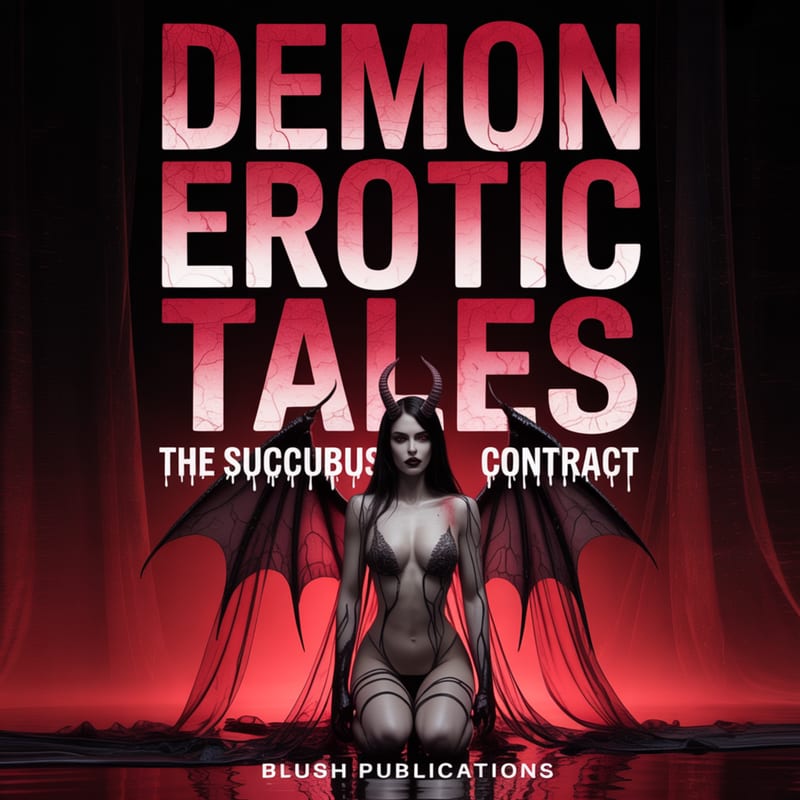
Bestiality content is not carried. Fantasy and paranormal material involving shapeshifters, demons, fae or aliens is a different thing entirely and is carried normally, because those characters are written as sapient beings and the material is understood as fantasy. That is why Demon Erotic Tales is available and why the paranormal shelf is one of the largest in the genre.
Explicit content is not itself a barrier. Titles are refused for what they depict, not for how graphically they depict it. There is no maximum permitted explicitness — which surprises people, and is the direct reason so much genuinely hardcore material is on sale.
Why titles disappear after being accepted
Acceptance is not permanent, and three things cause removals.
Policy changes applied retroactively. Standards get revised and existing catalog is re-reviewed. This produces the periodic waves of removals that publishers in this space are familiar with.
Metadata review. A title can be accepted and later flagged for its title, cover or description rather than its contents — the packaging is reviewed separately from the audio.
Rights and disputes. Unrelated to content, but indistinguishable from a policy removal from the outside.
How this differs across platforms
Not enormously, and the differences are worth knowing.
The app-store problem is the biggest variable. Retailer apps distributed through Apple and Google are bound by those companies’ content rules, which are stricter than the retailers’ own. Some platforms therefore cannot sell adult titles inside their app at all, even where the web store sells them freely. This is not the retailer’s policy — it is the app store’s, and it is why buying on the web and listening in the app is the standard workaround. Platform coverage has the specifics.
Subscription catalogues are a separate question from the store. A title can be purchasable and excluded from an all-you-can-listen tier, which is a commercial decision rather than a content one.
What this means if you are buying
Three things follow from the tier structure.
Search exactly. Broad queries return tier-one material only; tier two needs a near-exact term.
Change the account content setting, on the website rather than in the app.
Do not read availability as endorsement or absence as prohibition. A title’s absence more often means it was never submitted, or was submitted elsewhere, than that it was refused.
Where to listen
Demon Erotic Tales, narrated by Rachel Sanderson, and Fae Erotic Tales and Alien Erotic Tales, both narrated by Brittany Fletcher, are examples of paranormal material that sits comfortably inside tier two — explicit, available, and findable by direct search.
The full catalog lists what is currently on which platform, and how to find erotica on Audible covers the search techniques that get past tier-two filtering.
Frequently Asked Questions
Does Audible allow erotica?
Yes. Explicit erotica is carried and sold, but sits in a restricted discovery tier — excluded from browse, recommendations and default search results. Permitted and invisible are different things.
Is there a limit on how explicit an audiobook can be?
No maximum explicitness exists in the published standards. Titles are refused for what they depict — the categories listed above — rather than for how graphically they depict it.
Why is paranormal content with non-human characters allowed?
Because shapeshifter, demon, fae and alien characters are written as sapient beings and the material is understood as fantasy. That is a different category from content involving actual animals, which is not carried.
Why are step-relations allowed but blood relations refused?
The content standards draw the line at biological relation. It is the reason the step-relation trope establishes the non-biological relationship explicitly and early — the whole category is built around that boundary.
Can a title be removed after it has been published?
Yes. Standards are revised and existing catalogue re-reviewed, and titles can also be flagged for cover or description rather than audio. Removals in this category are not unusual.
Books Mentioned
Demon Erotic Tales
Dark bargains, hellfire passion, and sinful surrender in 10 explicit demon erotica short stories.
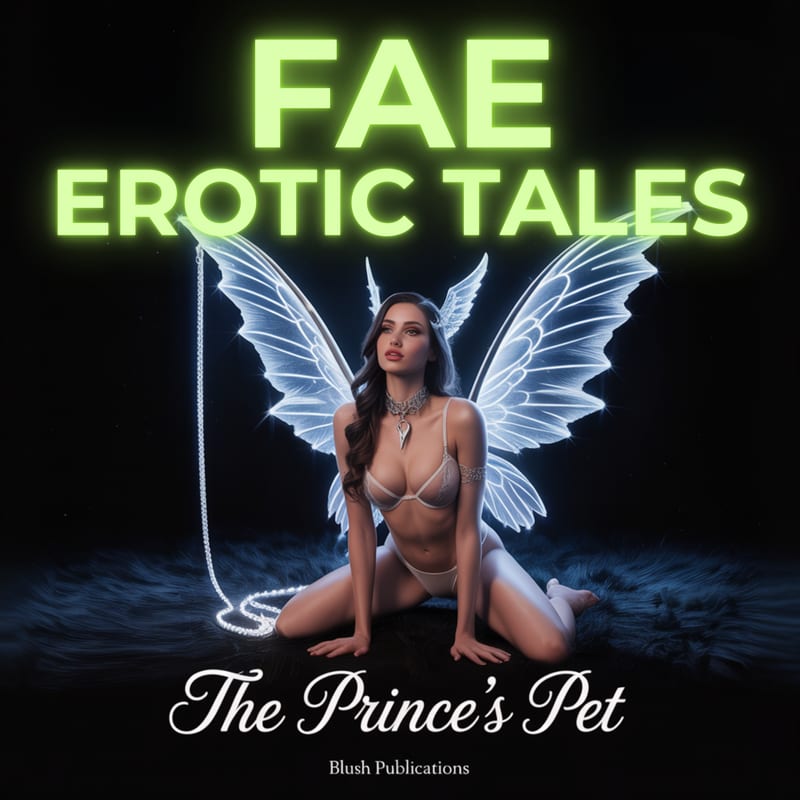
Fae Erotic Tales
Enchanted seduction, bargains sealed with a kiss, and otherworldly pleasure in 10 explicit fae erotica stories.
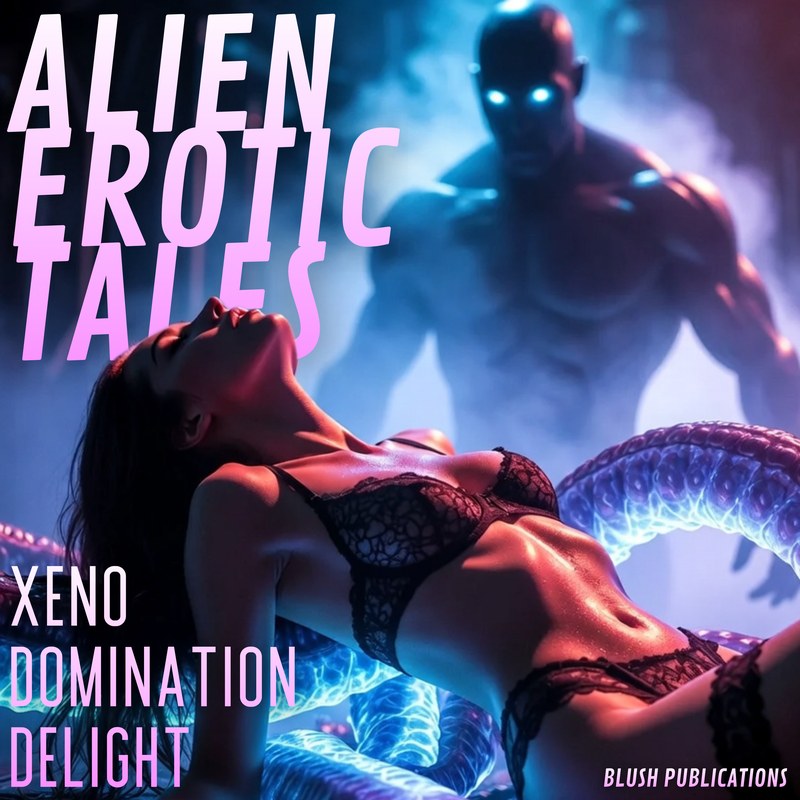
Alien Erotic Tales
Xeno domination delight. 10 explicit stories of alien masters and the humans they claim.