What Is Vampire Erotica? Two Centuries of the Bite
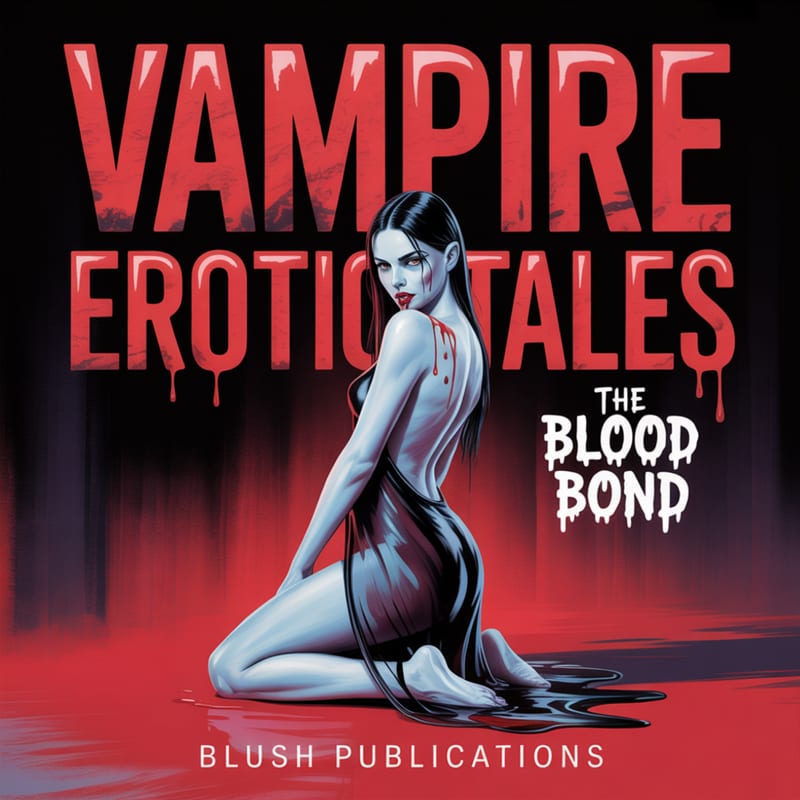
Vampire erotica is explicit fiction in which the vampire is the sexual partner rather than the threat. That sounds like a small adjustment. It took roughly a hundred and eighty years to make.
The trope did not arrive assembled. It was built across three distinct periods, and each one did something specific to where the sex sat in the story: first buried inside the horror, then acknowledged but held at arm’s length, then stated outright. Read the shelf as sediment and it stops looking arbitrary.
Era one: the bite instead of the act (1819 to 1897)
The literary vampire begins as an aristocrat with a social problem rather than a monster with fangs. John Polidori’s The Vampyre, published in 1819 out of the same Lake Geneva summer that produced Frankenstein, gives us Lord Ruthven: titled, travelled, charming, and engaged in the systematic ruin of women. The predation is sexual before it is ever sanguinary. He is a seducer who happens to feed.
The 1840s penny-dreadful serial Varney the Vampire industrialised that formula across hundreds of instalments. Sheridan Le Fanu’s Carmilla (1872) sharpened it into something stranger — a vampire and a victim who are both women, and a relationship the text keeps describing in the vocabulary of infatuation because the period had no other vocabulary available. Then Dracula (1897), which fixed the furniture for everyone who came afterwards.
What this era did to the sexual content was displace it completely. Nothing could be depicted, so everything was transposed onto the bite. Penetration, fluid, submission, marks that must be hidden at the throat, a reputation destroyed in a single night — all of it survives intact, provided the puncture is made with teeth and everybody agrees to call the result a wasting illness. The horror is not a wrapper around the eroticism. It is the alibi that got the eroticism onto the page.
Two mechanics from this period are still load-bearing.
The invitation is one. A vampire cannot cross a threshold unbidden, which is a consent rule dressed as folklore, and modern writers use it exactly that way. The other is agelessness, which converts an ordinary age difference into something the genre can be relaxed about — both parties are adults, and one of them simply has four centuries on the other. Listeners who enjoy that asymmetry without the contemporary baggage often end up browsing age gap collections as well.
Era two: the vampire gets a point of view (1976 to 1996)
Anne Rice’s Interview with the Vampire changed the grammar rather than the content. The vampire narrates. Once the monster is the one talking, its appetite stops being a menace to be defeated and becomes a condition described from the inside — regretted, savoured, explained at length. Rice’s vampires are saturated in sensuality and conspicuously not having sex. The hunger does all the work the body is not permitted to do.
Chelsea Quinn Yarbro’s Count Saint-Germain, arriving two years later, reversed the polarity outright: a vampire who cannot participate in the conventional way and therefore attends completely to his partner. That character is the direct ancestor of the modern vampire hero, and the reason the archetype reads as attentive rather than merely predatory.
The screen finished the job. The Hunger in 1983, The Lost Boys in 1987, Coppola’s Dracula in 1992, and then Buffy the Vampire Slayer making the enormously consequential decision to let the vampire be the boyfriend.
So the era moved sex from subtext to acknowledged text without ever making it explicit. It also, quietly, made the vampire eligible. He acquires manners, money, taste and several centuries of accumulated competence. The gothic threat becomes a candidate.
Era three: from acknowledged to explicit (1993 to now)
Laurell K. Hamilton’s Anita Blake books began in 1993 and escalated in heat as the series ran, which is the decade in miniature. Charlaine Harris’s Sookie Stackhouse novels arrived in 2001 and were adapted as True Blood in 2008, by which point vampirism was a lifestyle, a legal category and a very high heat register. Twilight went the other way in 2005 — abstinence-coded, restraint as the entire engine — and then produced, by way of fan fiction, the largest explicit publishing event of the decade that followed.
The structural change underneath all of it was distribution. Digital self-publishing removed the editor whose job had been to enforce the fade to black. Once a writer could reach readers without asking permission, the ceiling came off, and the shelf split into two things that share a mythology and almost nothing else.
Paranormal romance kept the relationship arc, the obstacle and the ending, and treats explicit scenes as milestones along the way. Vampire erotica discarded the arc and kept the encounter. The difference is less about heat than about what the book is organised around, which is the same distinction drawn in dark romance versus erotica.
What this era did to the sexual content is the exact reverse of era one: it un-displaced it. Blood exchange is now written as an act with its own described sensations, usually negotiated in advance and occurring alongside sex rather than as a substitute for it. Everything the Victorians had to encode is stated plainly, and the encoding itself has become an optional stylistic choice rather than a legal necessity.
The era also shortened the form. Novel-length paranormal romance still sells in enormous quantities, but the explicit end of the market moved towards short stories and collections, which is the shape our vampire catalogue takes.
What each era left behind
A modern vampire story is layered, and you can usually see the seams.
From the gothic period it inherits the props and the danger: the invitation, the throat, the aristocrat, the sense that one night is enough to change a life irreversibly. Writers leaning on this layer produce the atmospheric, slower titles in which dread and desire are the same sensation — the register that shades into erotic horror.
From the Rice and Yarbro period it inherits interiority. The vampire has opinions, history, taste and technique. He is old enough to be good at things, and the fantasy is as much about receiving careful attention from someone with centuries of practice as it is about fangs.
From the current period it inherits explicitness and consent as text. The donor is willing, the terms are discussed, the bite is described rather than implied. This is the layer that separates vampire erotica from everything upstream of it, and it is the layer most listeners are actually searching for.
Working out which layer a title emphasises is the single most useful thing you can do before buying. A blurb heavy on courts, sires and centuries is selling era two. A blurb that uses the word explicit in its first line is selling era three.
Where to listen
Vampire Erotic Tales sits firmly in that third era — ten explicit standalone stories rather than one long arc, narrated by Sara Sitwell, whose unhurried delivery is exactly what this material needs. Blood, bargains, immortals, and the mortals who agree to them.
For the ranked view of what else exists in this corner, our vampire audiobook roundup covers it. Listeners who like the immortal-predator dynamic but want the temptation framed as damnation rather than hunger tend to move sideways to Demon Erotic Tales, and the otherworldly collection picks up the stranger, less human end of the same shelf.
Frequently Asked Questions
Is vampire erotica the same thing as vampire romance?
No, though the mythology is identical. Vampire romance is built around a relationship that has to survive an obstacle and reach a resolution, and explicit scenes are events inside that structure. Vampire erotica is built around the encounters themselves and does not owe you a happy ending or, often, a second chapter with the same characters.
Why is blood-drinking written as erotic in the first place?
Because it was invented as a substitute for erotic content and never lost the charge. The Victorian writers used the bite precisely because it let them stage intimacy, penetration and vulnerability without naming any of them. Two centuries later the association is set so deep that modern writers keep it even though the disguise is no longer required.
Are these stories horror?
Some are. The band is wide, running from atmospheric dread to something much closer to paranormal romance with the safeties off. If you want the fear component genuinely present rather than decorative, look for titles that describe themselves as dark. If you do not, look for blurbs that lead with seduction and bargains instead.
Where should a newcomer start?
Short-form collections, because they let you sample several treatments of the trope for the price of one and abandon any story you dislike after fifteen minutes. Ten short stories will teach you which era of the vampire you actually respond to far faster than one four-hundred-page novel will.
Books Mentioned
Vampire Erotic Tales
Blood bonds, immortal desire, and dark seduction in 10 explicit vampire erotica short stories.
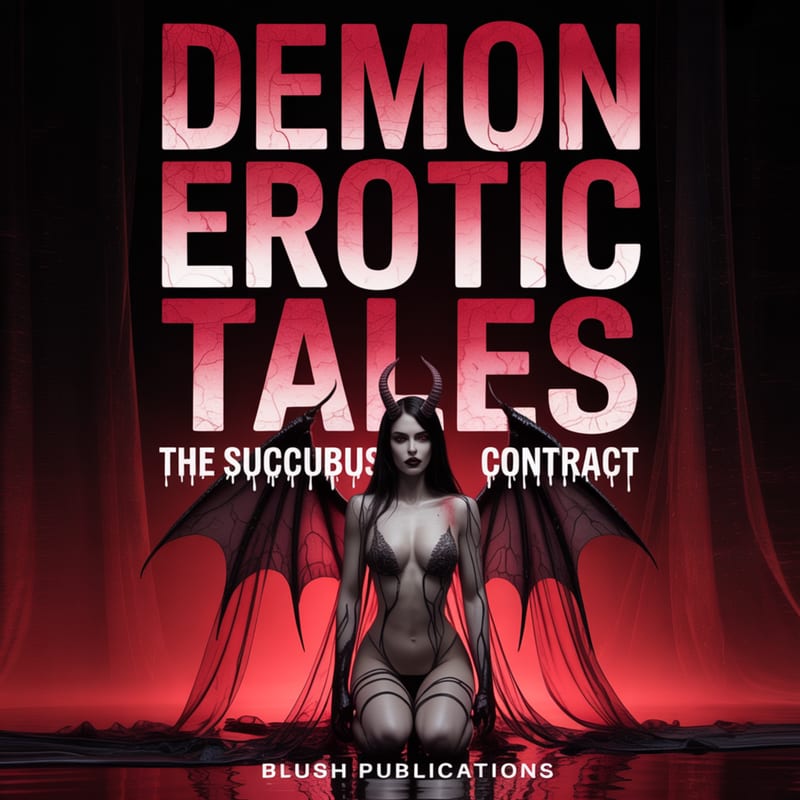
Demon Erotic Tales
Dark bargains, hellfire passion, and sinful surrender in 10 explicit demon erotica short stories.
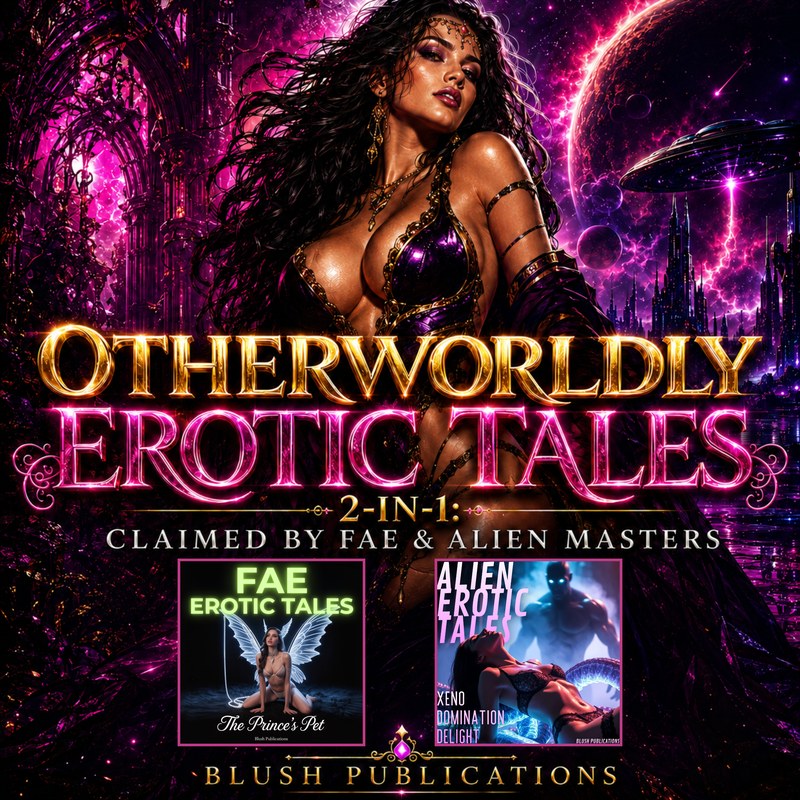
Otherworldly Erotic Tales
Claimed by fae and alien masters. 20 explicit stories of otherworldly domination.