Who Publishes Erotic Audiobooks? The Field Mapped
“Who publishes this” is a more useful question than it looks. The producer type predicts runtime, narration quality, how consistent a series will be, whether a sequel will ever arrive, and how the book will be labelled — often more reliably than the blurb does.
Five types make essentially everything you can buy.
1. Trade romance imprints
The romance divisions of large publishing houses, producing audio for their spiciest lines.
What they make: full-length erotic romance, generally at the erotic romance end rather than erotica proper. Explicit, but with a relationship arc and a guaranteed ending, because the imprint’s readership expects one.
What it implies: high production values, experienced narrators, reliable editing, and near-certain series continuation. Also a ceiling on content — trade imprints stay well inside retailer content standards and rarely go near the boundary.
How to spot one: a recognisable publisher name in the credits, a series with matching cover design across five or more books, and an author with a backlist.
2. Independent digital presses
Small publishers, often specialising entirely in adult fiction, working digital-first.
What they make: the largest share of what is actually labelled erotica. Both collections and full-length work, generally more explicit than trade imprints and more willing to work close to the content boundary.
What it implies: production quality varies from excellent to indifferent, and the variation is between presses rather than within them — a given press is usually consistent. Narration is paid but budgets differ enormously.
How to spot one: a publisher name you have not heard of appearing across many titles by different authors, a catalogue organised by trope rather than by author, and titles that name the trope explicitly.
This is what Blush is. Worth stating plainly given the page: an independent press producing themed collections, one narrator per volume, digital-first, sold through Audible, Spotify and Amazon.
3. Self-published authors
Individual writers commissioning their own audio, usually through a royalty-share or pay-for-production arrangement with a narrator.
What they make: everything, at every quality level. This is the largest and most variable segment of the market by a wide margin.
What it implies: the single most important variable is whether the author could afford a good narrator. A self-published title with an excellent narrator is often better than an indie press release, because the author cared and chose personally. One produced on the cheapest available terms is usually obvious within thirty seconds of the sample.
Series continuation is the risk. Self-published audio series are frequently abandoned when the economics do not work, which matters if you are starting a long series.
How to spot one: the author’s name in the publisher field, or a publisher name that matches the author’s, and no other titles under that imprint by anyone else.
4. Audio-first producers and apps
Companies producing short-form audio erotica natively for their own platforms rather than adapting books.
What they make: five-to-thirty-minute pieces, frequently in second person, designed for a single session. Not audiobooks in the conventional sense — they are audio works that have never existed in text.
What it implies: high production values, contemporary sound design, and a subscription rather than a purchase. You are renting access, and the catalogue changes.
How to spot one: it is not on a book retailer at all. If you found it in an app rather than a bookstore, this is what it is. The apps versus audiobooks comparison covers the trade-offs.
5. Aggregators and repackagers
Operations that license or acquire existing text and produce audio at volume, often with synthetic or very low-cost narration.
What they make: enormous quantities of short titles, frequently with near-identical covers, generic titles, and author names that appear on hundreds of releases.
What it implies: low quality, usually. This segment exists because catalogue volume is itself a discovery strategy — flood the search results and some fraction converts. Narration is often synthetic or single-take, and editing is minimal.
How to spot it: an author with an implausible number of titles, cover art from an obvious template, a runtime under an hour paired with a novel-length description, and no reviews on anything.
This is the segment that makes ratings unreliable in adult categories, because it produces thousands of titles with a handful of ratings each.
The quick identification table
| Signal | Most likely producer |
|---|---|
| Recognisable publisher, matching series covers | Trade imprint |
| Unfamiliar publisher across many authors, trope-led titles | Independent press |
| Publisher field matches the author name | Self-published |
| Not on a book retailer, subscription only | Audio-first app |
| Hundreds of titles, template covers, no reviews | Aggregator |
Why “best erotic author on audible” is a hard search
It comes up constantly and returns almost nothing useful, for three reasons worth knowing.
Pen names fragment everything. Authors in this genre frequently write under several names — by trope, by heat level, or to separate adult work from other writing. An author’s actual body of work can be spread across four names with nothing linking them.
Retailers do not rank authors. There is no author leaderboard, no “top erotica authors” list, and author pages are not ranked against each other. The data to answer the question is not exposed anywhere.
The category is excluded from the lists that would answer it. Adult titles are filtered out of bestseller and editorial lists, so even the indirect route is closed.
The practical alternative is to search by narrator instead. Narrators are credited consistently, do not use pen names, and in this genre a narrator you like is a better predictor of enjoyment than an author you like — because the performance carries so much of the effect. Find one you respond to and follow their catalogue.
Where to listen
The catalog is one independent press with a fixed roster of narrators, which makes the follow-the-narrator method straightforward: Poppy Baker on Stepmom Erotic Tales, Jesse Mundt — the roster’s only male voice — on Mafia Erotic Tales, Autumn Moon on Fairy Porn Erotic Tales.
The narrators page lists the full roster with what each one suits, and the narrator roundup covers them in more depth.
Frequently Asked Questions
Who actually publishes erotic audiobooks?
Five types: trade romance imprints, independent digital presses, self-published authors, audio-first app producers, and high-volume aggregators. Independent presses and self-published authors account for most of what is labelled erotica.
How can I tell who published a title?
Check the publisher field on the listing. If it matches the author’s name it is self-published; if it appears across many different authors it is a press; if the title is only in an app it is an audio-first producer.
Why do so many low-quality erotica audiobooks exist?
Because catalogue volume is itself a discovery strategy for aggregators. Producing thousands of cheap short titles floods search results, and a small conversion rate on a large catalogue is still profitable.
Why can I not find a list of the best erotica authors?
Pen names fragment author identity, retailers do not rank authors at all, and adult titles are excluded from the bestseller lists that would otherwise answer it. Searching by narrator is the workable substitute.
Is a self-published audiobook worse than a press release?
Not necessarily. The deciding variable is the narrator, and a self-published author who chose carefully often beats a press working to a tight budget. Judge from the sample rather than from the publisher.
Books Mentioned
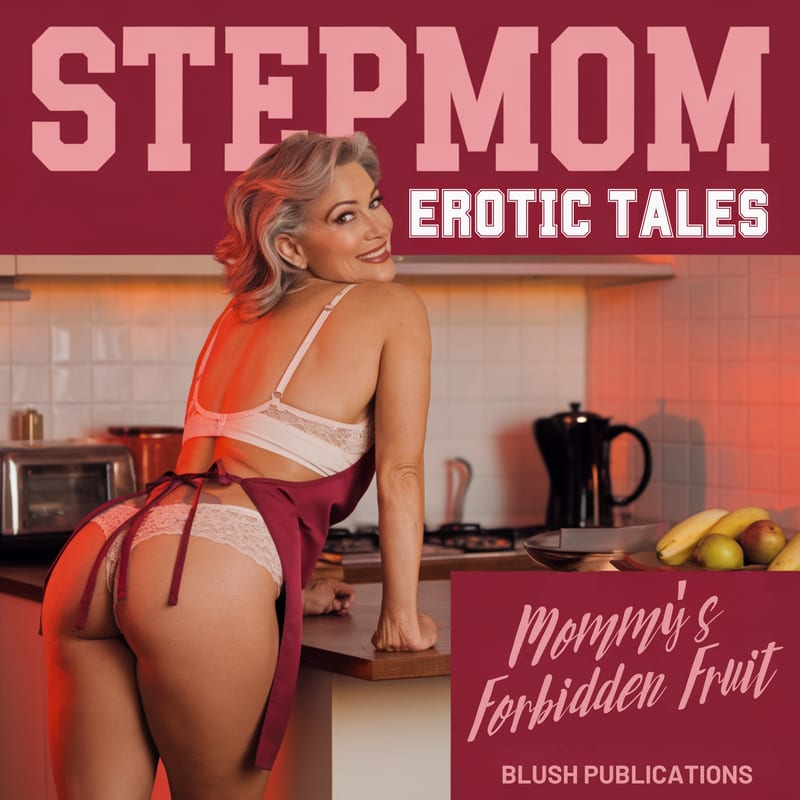
Stepmom Erotic Tales
Seductive authority, confident older women, and forbidden household encounters in 10 explicit stepmom erotica stories.
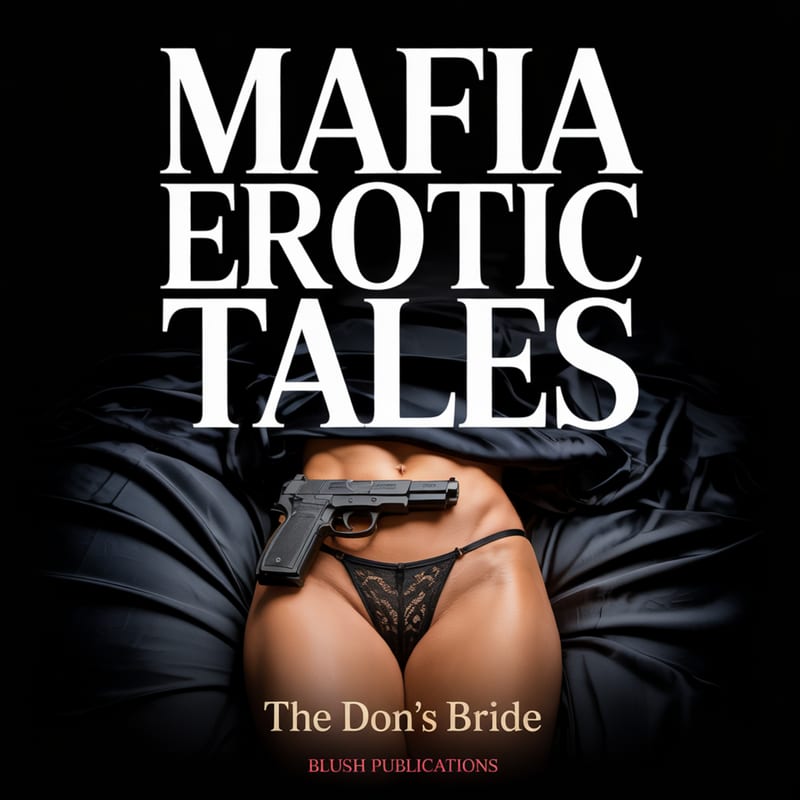
Mafia Erotic Tales
Possessive crime lords, dangerous obsession, and dark desire in 10 explicit mafia erotica short stories.
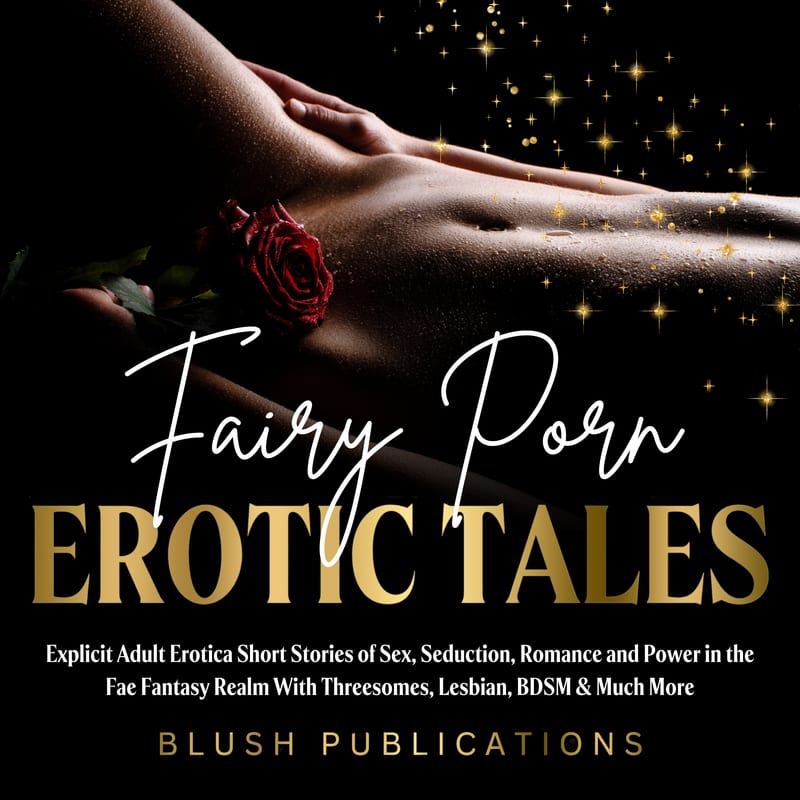
Fairy Porn Erotic Tales
Enchanted beings, otherworldly seduction, and magical encounters in 10 explicit fairy erotica short stories.