Alien vs Monster vs Beast: A Sorting Guide
Three shelves, one readership, and constant mutual mis-tagging. If you have bought a monster book and got an alien one, or a beast book that turned out to be a werewolf story, this is the sorting guide.
Four questions separate them completely.
Question one: where did he come from?
Alien — from elsewhere. Another planet, another system, a ship. There is a place he belongs to and it is not here. See alien erotica.
Monster — from here, or from nowhere in particular. Native to the world of the story, often to its folklore. He was never anywhere else. See monster erotica.
Beast — from a previous state. He was something else, usually human, and became this. See beast erotica.
Origin is the cleanest single discriminator and resolves most mis-shelvings on its own.
Question two: can he talk?
Alien — almost always, often with a translation device or a learned language. Full conversation is standard, and a lot of the courtship happens in dialogue.
Monster — variable, and the variation is deliberate. Speech ranges from full articulacy to none at all, and where a book sits on that range is one of its main choices.
Beast — the most interesting case. Speech is usually degraded and often returns. The moment he speaks a full sentence is one of the most-cited beats in the entire non-human category.
Question three: is there a civilisation?
Alien — yes. Technology, hierarchy, laws, other members of his species with opinions. This is the shelf’s defining furniture and the thing that makes it science fiction.
Monster — rarely. Usually solitary, or part of something that is more ecology than society.
Beast — no, and that is often the point. He has been removed from a civilisation he used to belong to, and the isolation is a consequence rather than a natural state.
Question four: what endings are available?
This is the question that most determines the reading experience.
Alien — integration. Somebody adapts to somebody’s world, or they find a third place. The ending is about belonging.
Monster — acceptance. Nothing changes about what he is; what changes is her relationship to it. The ending is about her.
Beast — restoration, or its refusal. He can potentially be returned to what he was, and whether that happens is the central question. The ending is about him.
The quick table
| Alien | Monster | Beast | |
|---|---|---|---|
| Origin | Elsewhere | Native | Transformed |
| Speech | Full | Variable | Degraded, may return |
| Society | Yes | Rarely | Removed from one |
| Ending | Integration | Acceptance | Restoration or refusal |
| Nearest neighbour | Sci-fi erotica | Erotic horror | Shifter |
Where the shelves genuinely blur
Three real overlap zones worth naming, because tagging cannot resolve them.
Non-humanoid aliens are functionally monsters with a spaceship. The origin question still separates them technically, but the reading experience is much closer to monster erotica.
Shifters sit inside beast erotica but have their own enormous shelf, complete with fated mates machinery that the rest of beast fiction does not use. Werewolf fiction is the largest example.
Demons and incubi are technically monsters by origin but behave like a separate category entirely, with their own rules about consent and bargains. See demon vs incubus.
Which should you try first?
If you are new to non-human erotica, the practical order is alien, then beast, then monster. Alien is the most accessible because full communication is standard and the relationships read most like conventional romance. Beast adds strangeness while keeping a human anchor. Monster removes the anchor.
Going in the other order is why a lot of readers conclude the whole category is not for them after one book.
Where to listen
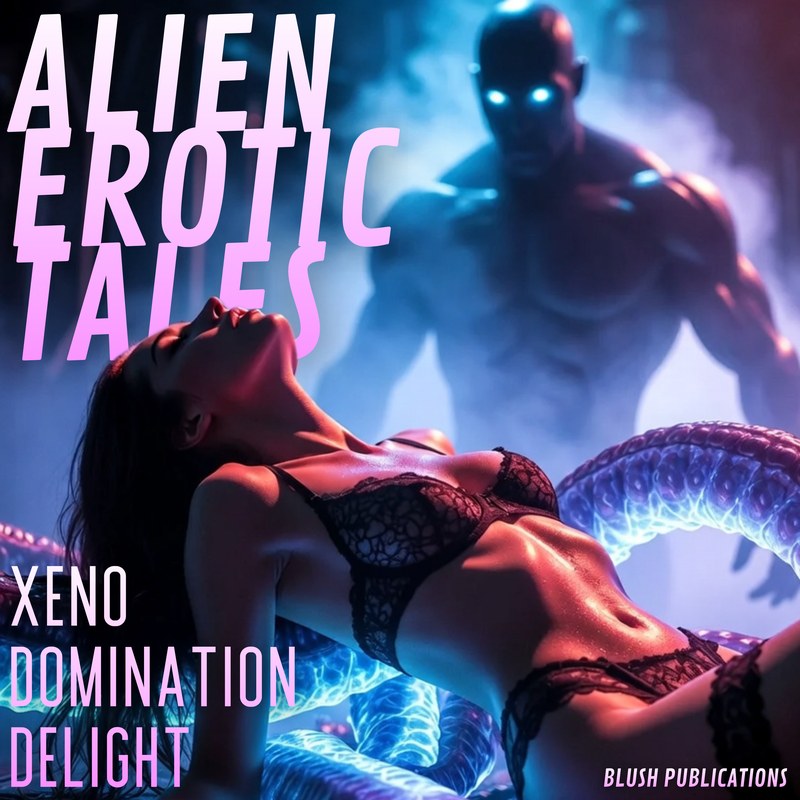
The catalogue has all three, which makes comparison easy. Alien Erotic Tales narrated by Brittany Fletcher, Monster Erotic Tales and Beast Erotic Tales, both narrated by Dawn Mount. Beast is the third best-selling title on the site.
Categories: alien, monster, beast, otherworldly, werewolf.
Frequently Asked Questions
What is the single fastest way to tell them apart?
Origin. Alien came from elsewhere, monster is native, beast was previously something else. That one question resolves most mis-shelvings without needing the others.
Are shifters beasts or monsters?
Beasts, because transformation is definitional. Shifter fiction has grown large enough to function as its own shelf with conventions the rest of beast erotica does not use.
Which has the most explicit content?
Monster erotica, generally, because it has the least conventional-romance structure to work around. Alien romance tends to be the most romance-shaped of the three.
Where do demons fit?
Technically monsters by origin, but they behave as a separate category with their own bargain-and-consent conventions. Most readers treat them as their own shelf.
Which should a newcomer start with?
Alien. Full communication is standard and the relationships read closest to conventional romance, which makes it the gentlest entry into non-human erotica.
Books Mentioned
Alien Erotic Tales
Xeno domination delight. 10 explicit stories of alien masters and the humans they claim.
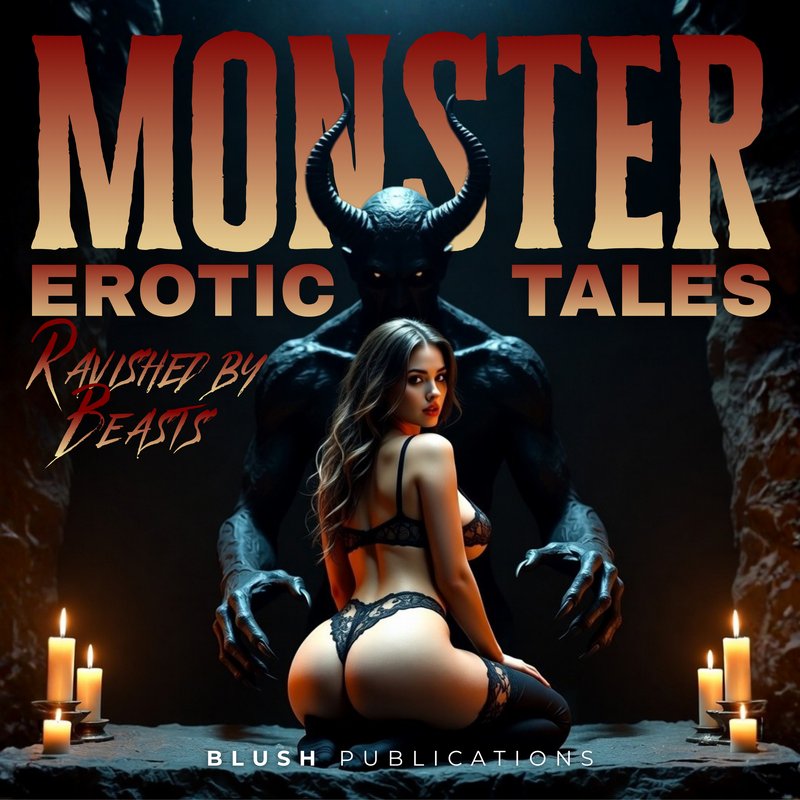
Monster Erotic Tales
Ravaged by beasts. 10 explicit monster erotica stories of primal claims, forbidden couplings, and creatures that take what they want.
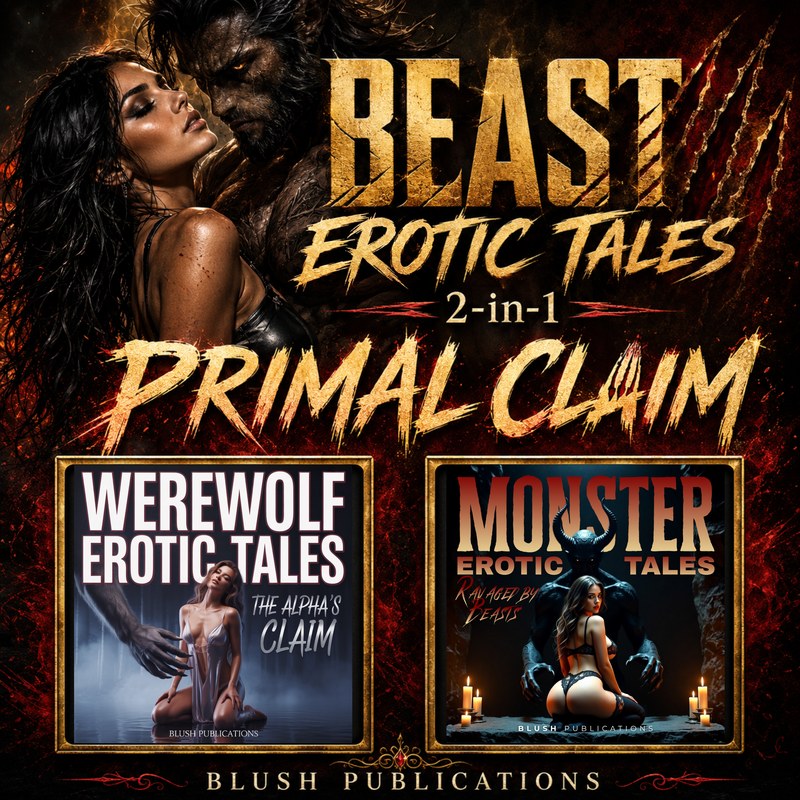
Beast Erotic Tales
Primal claim. 20 explicit stories of monstrous beasts and the humans they take as their own.