The Erotica Trope Index
Tropes are how erotica is actually organised — more than genre, more than author, more than anything a retailer category tells you. This is the map, grouped into the eight families they fall into.
Family one: family by marriage
Unrelated adults sharing a household or a surname.
- Stepmom — five distinct configurations under one label. Shelf.
- Stepdad — the same structure with the gradient reversed. Shelf.
- Stepbrother and stepsister — peers, maximum proximity, no authority gap.
- Stepfamily — the umbrella covering all six relationships.
- In-laws — family the protagonist created themselves.
- Best friend’s dad vs dad’s best friend — two tropes constantly mistaken for one.
- Best friend’s mom — the gender-flipped counterpart.
Family two: authority and profession
Someone outranks someone.
- Boss — the workplace gradient. Shelf.
- Professor — the academic version.
- Doctor — the trope with a consent problem to solve.
- Billionaire — resources as the gradient.
- Sugar daddy — the transaction made explicit.
- Power play — the general category.
- Dominatrix — dominance as a profession.
Family three: age
- Age gap — the umbrella.
- Older man — competence as the draw.
- Reverse age gap — older woman, younger man.
- Cougar — the same gap with her pursuing.
- MILF — status rather than gap.
- Babysitter — the power ledger that keeps inverting.
- Stepmom vs MILF vs cougar — sorting the three.
Family four: sharing and infidelity
- Hotwife — her story, his approval.
- Cuckold — his story, his watching.
- Cuckquean, cuckold and swinging — the full sort.
- Hotwife vs cuckold vs stag — the finer distinctions.
- Cheating wife — inside the marriage.
- Married man — the clock in every scene.
- Homewrecker — the other woman as protagonist.
- Affair erotica — the umbrella.
- Threesome — six configurations.
Family five: power exchange
- BDSM — the umbrella.
- Femdom and gentle femdom — two registers of the same direction.
- Mommy dom — care-based dominance.
- Daddy kink — one word, four meanings.
- Spanking — four narrative functions.
- Possessive alpha — and where it becomes something else.
- Alpha, alphahole, cinnamon roll — the male-lead taxonomy.
Family six: paranormal and non-human
- Werewolf and shifter — the largest paranormal shelf.
- Vampire — restraint as the engine.
- Demon vs incubus — bargain against appetite.
- Fae — bargains, names and debts.
- Dragon — hoarding as a relationship model.
- Monster, beast and alien — sorted here.
- Fated mates — the mechanic underneath most of this family.
- Romantasy and sci-fi erotica — the two settings.
- Erotic horror — dread as the register.
Family seven: circumstance
- Forced proximity — trapped together.
- Enemies to lovers — antagonism as attraction.
- Arranged marriage — the beats run backwards.
- Neighbour — geography as the whole premise.
- Reverse harem — why choose.
- Forbidden romance — the general category.
Family eight: act and identity
- First time — and its second meaning in other contexts.
- Exhibitionism — and the voyeur counterpart.
- Breeding and lactation.
- Interracial — three reader intents under one tag.
- Sapphic — and the five labels it hides behind.
- Erotic thriller — where sex is evidence.
- Christmas, western, viking, MC, mafia — setting-defined shelves.
How to use this
If you know what you like: find it above, read the guide, and follow it into the shelf.
If you do not: pick a family rather than a trope. Families share an emotional mechanism, so if one member works for you the others usually will too.
If a recommendation keeps missing: you are probably matching on trope when you should be matching on family, or the reverse. That is the most common failure and this index is arranged to fix it.
Full catalogue: all audiobooks and all categories.
Frequently Asked Questions
Why organise by trope rather than genre?
Because that is how readers of this genre actually choose. Trope predicts the reading experience far better than genre, author or retailer category do.
What is a trope family?
A group of tropes sharing an emotional mechanism rather than a setting. Members of a family tend to appeal to the same readers even when the surface details differ completely.
How many tropes are there?
There is no fixed number, since new labels appear constantly and old ones merge. This index covers the ones with enough published work behind them to search reliably.
Why do some tropes appear in two families?
Because they genuinely belong to both. Babysitter fiction is an age trope and a proximity trope; interracial fiction crosses several. The families are a navigation aid rather than a taxonomy.
Where should a newcomer start?
Pick a family rather than a trope, and try a short-story collection in it. Collections give you several treatments of the same idea in about an hour, which is the cheapest possible way to find out what works.
Books Mentioned
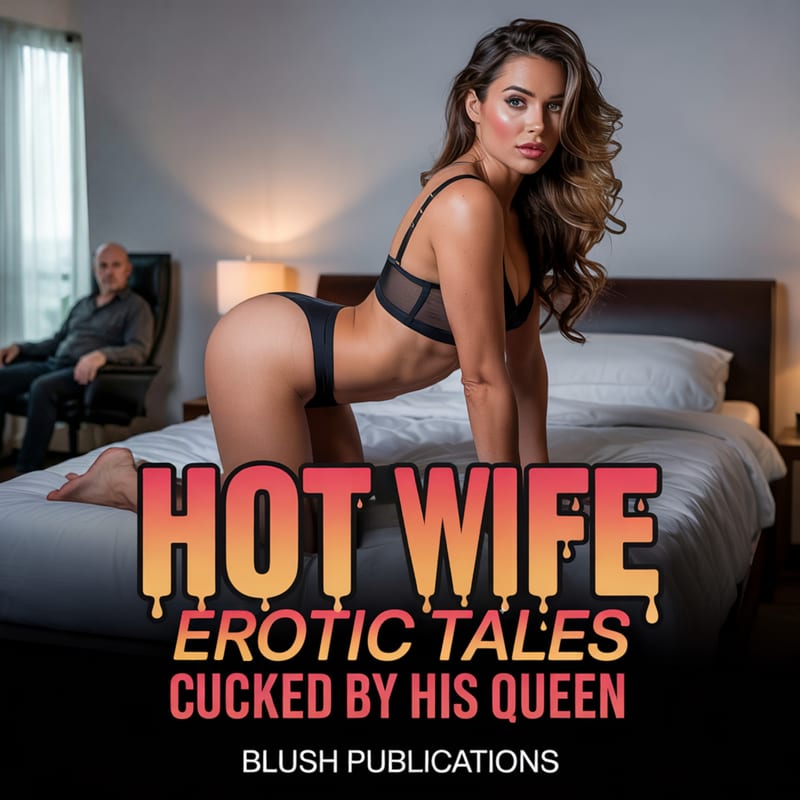
Hotwife Erotic Tales
Adventurous couples, shared encounters, and boundary-pushing desire in 10 explicit hotwife erotica stories.
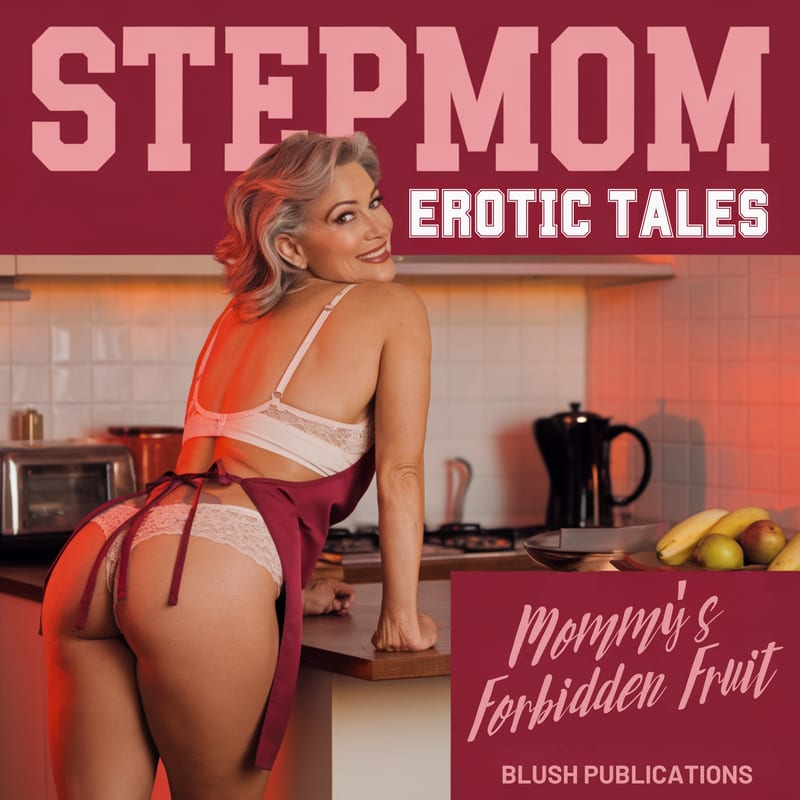
Stepmom Erotic Tales
Seductive authority, confident older women, and forbidden household encounters in 10 explicit stepmom erotica stories.
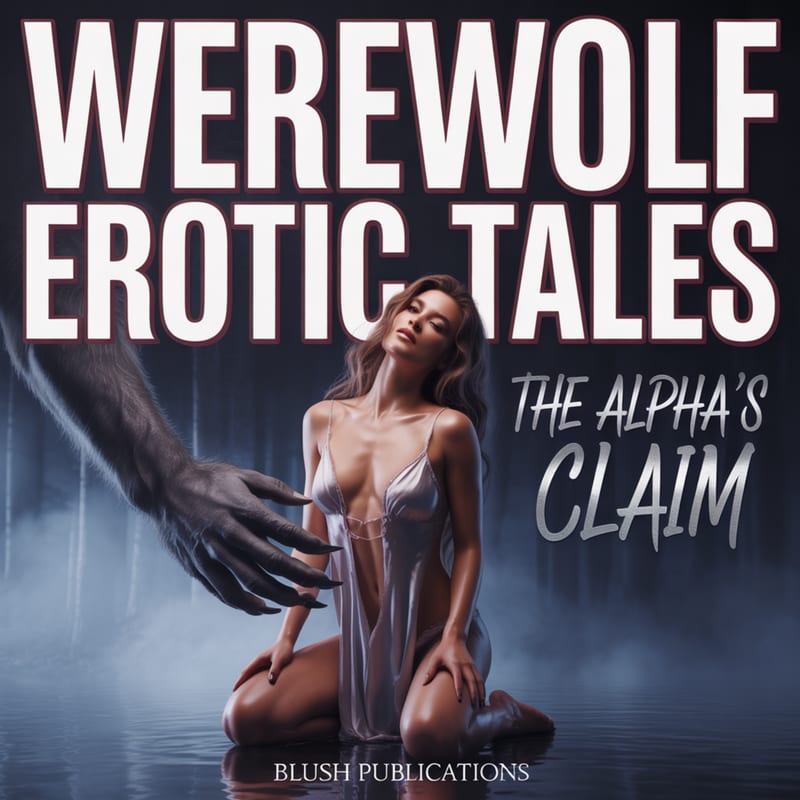
Werewolf Erotic Tales
Alpha wolves, full-moon heat, and primal mating in 10 explicit werewolf erotica short stories.